
How to Make a Small Bedroom Look Bigger: 13 Practical Ideas for 2026
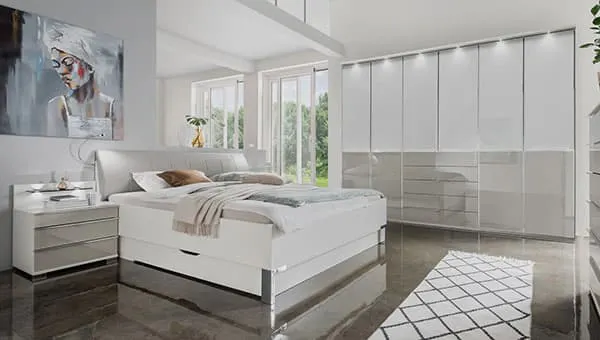
To make a small bedroom look bigger, focus on creating an open, uncluttered feel. Use light colors, multifunctional furniture, mirrors, smart storage, and curtains that draw the eye upward. Keep the floor as clear as possible and maximize natural light. With the right layout, lighting, furniture choices, and décor, even a compact bedroom can feel brighter, larger, and more comfortable.
How Can You Make a Small Bedroom Look Bigger?
To make a small bedroom look bigger, focus on creating more visible floor space, keeping furniture proportional and making better use of storage. Choose the right bed size, use an ottoman bed for hidden storage, consider sliding or mirrored wardrobes, keep window areas clear and use light colours and layered lighting. The aim is not to fit less into the room, but to make every piece work harder.
A small bedroom does not have to feel cramped.
With the right furniture, layout and colours, even a compact bedroom can feel brighter, more open and easier to live in. The key is to avoid filling the room simply because there is space available. Instead, think carefully about what you actually need and how each piece of furniture can serve a purpose.
For UK homes where bedrooms can vary considerably in size, clever furniture choices can make a particularly noticeable difference. An ottoman bed can hide bulky belongings, a sliding wardrobe can save floor space and a well placed mirror can help reflect light around the room.
Here are 13 practical ways to make your bedroom feel bigger without knocking down walls or carrying out major renovations.
Key Takeaways
| Want to make your bedroom feel… | Try this |
|---|---|
| More spacious | Keep more of the floor visible |
| Less cluttered | Use hidden storage |
| Brighter | Use mirrors and layered lighting |
| More organised | Choose multifunctional furniture |
| Taller | Maximise vertical space |
| Less cramped | Choose appropriately sized furniture |
| More open | Keep windows and walkways clear |
1. Choose the Right Bed Size
The bed is usually the largest piece of furniture in a bedroom, so its size has a major effect on how spacious the room feels.
That does not necessarily mean choosing the smallest bed possible.
A bed that is too small may leave you uncomfortable, while a bed that takes up most of the room can make movement difficult.
The trick is to choose the largest bed that comfortably fits the room while leaving enough space to walk around it.
Before buying, measure the room and mark out the bed dimensions on the floor. This simple step can give you a much better idea of how the finished layout will feel.
For particularly compact bedrooms, a double bed may be more practical than a king size. If the room is wider, a king can still work well.
Consider these factors:
- Room dimensions
- Door and wardrobe positions
- Space around the bed
- Bedside table requirements
- Storage needs
- Walking routes
A well proportioned bed can actually make a bedroom feel more balanced, even when the room itself is small.
Looking for a bed that fits your space?
2. Use an Ottoman Bed for Hidden Storage
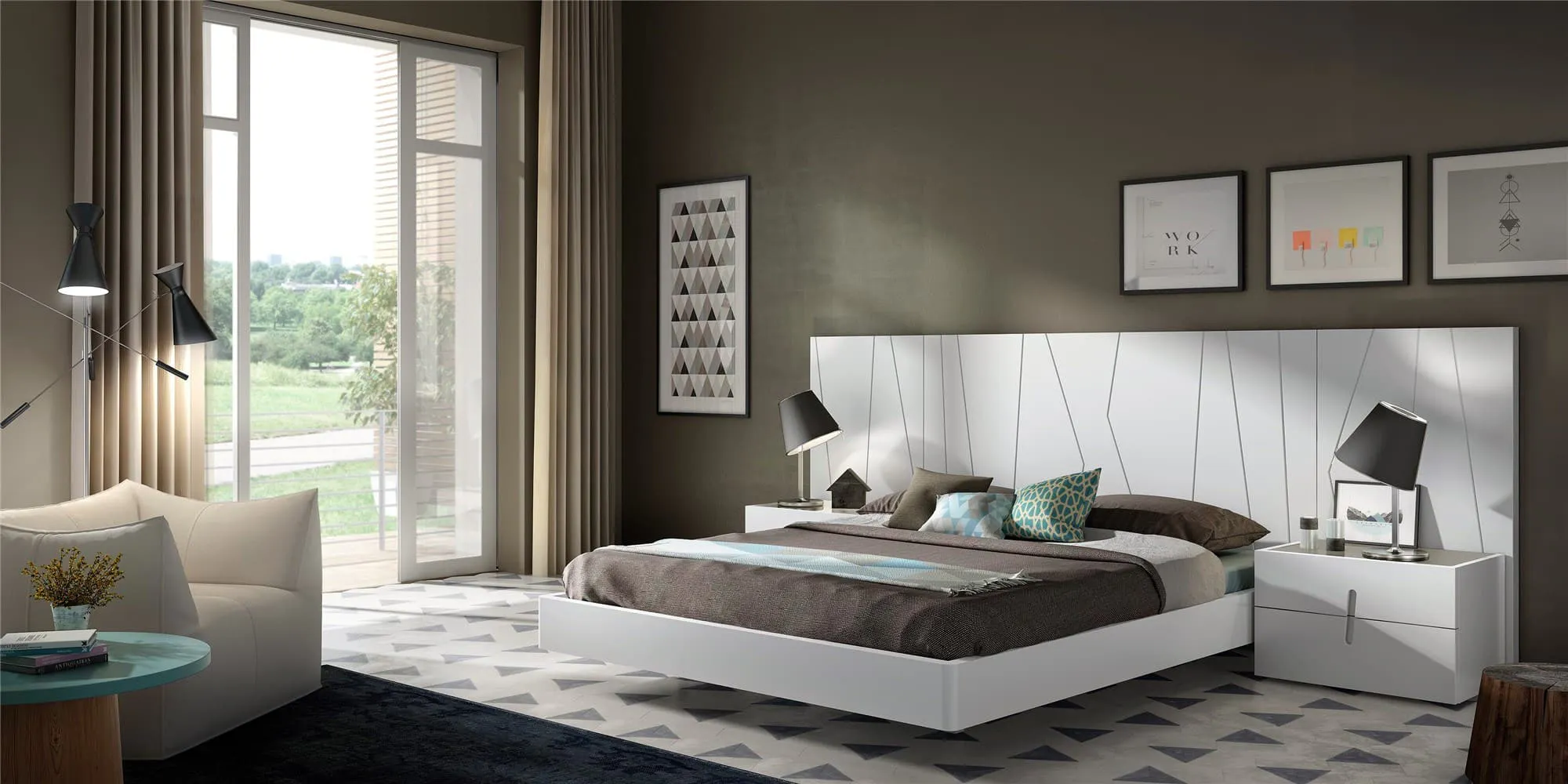
Make your bedroom work harder with Ottoman Storage Beds.
One of the easiest ways to make a small bedroom feel less cluttered is to remove visible storage from the room.
An ottoman bed does exactly that.
The base lifts to reveal a large storage compartment underneath the mattress. This hidden space can be used for bedding, clothing, shoes, suitcases and other belongings that you don't need every day.
Instead of adding another chest of drawers or storage unit, you can use the space that already exists beneath your bed.
What can you store under an ottoman bed?
- Spare bedding
- Towels
- Seasonal clothing
- Shoes
- Suitcases
- Blankets
- Storage boxes
This is particularly useful in rooms where there isn't enough space for additional furniture.
3. Choose Sliding Wardrobes
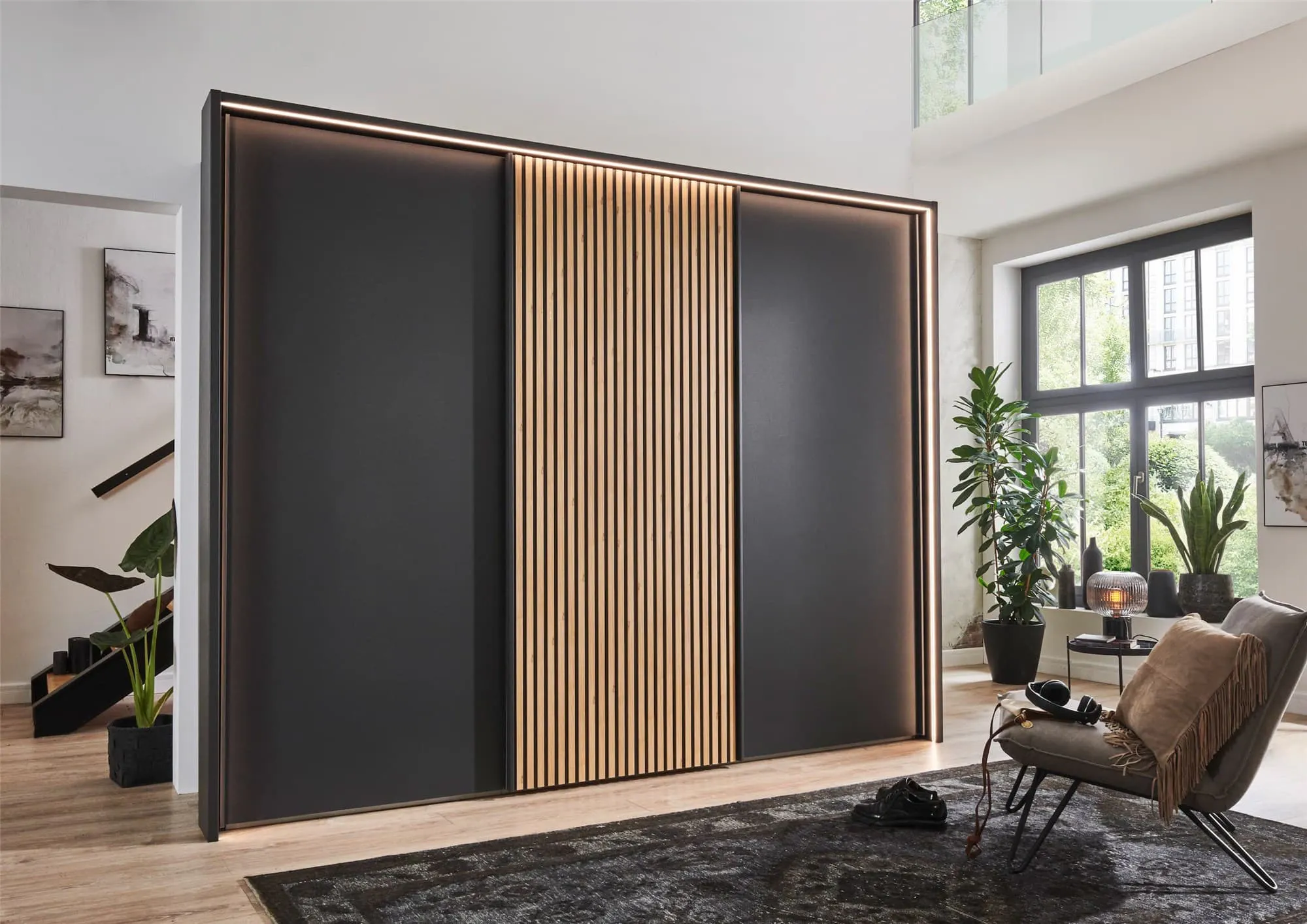
Save valuable floor space with Sliding Door Wardrobes.
Traditional hinged wardrobe doors need room to swing open.
In a small bedroom, that space can be surprisingly valuable.
Sliding wardrobes move across the front of the wardrobe, meaning you don't need to leave additional clearance for the doors.
This allows you to position other furniture closer to the wardrobe and can make the overall layout feel less crowded.
Sliding wardrobes are particularly useful in:
- Narrow bedrooms
- Smaller master bedrooms
- Guest rooms
- Rooms with awkward layouts
- Bedrooms where the bed sits close to the wardrobe
A well designed sliding wardrobe can also provide a considerable amount of storage without interrupting the main walkway.
4. Consider Mirrored Wardrobe Doors
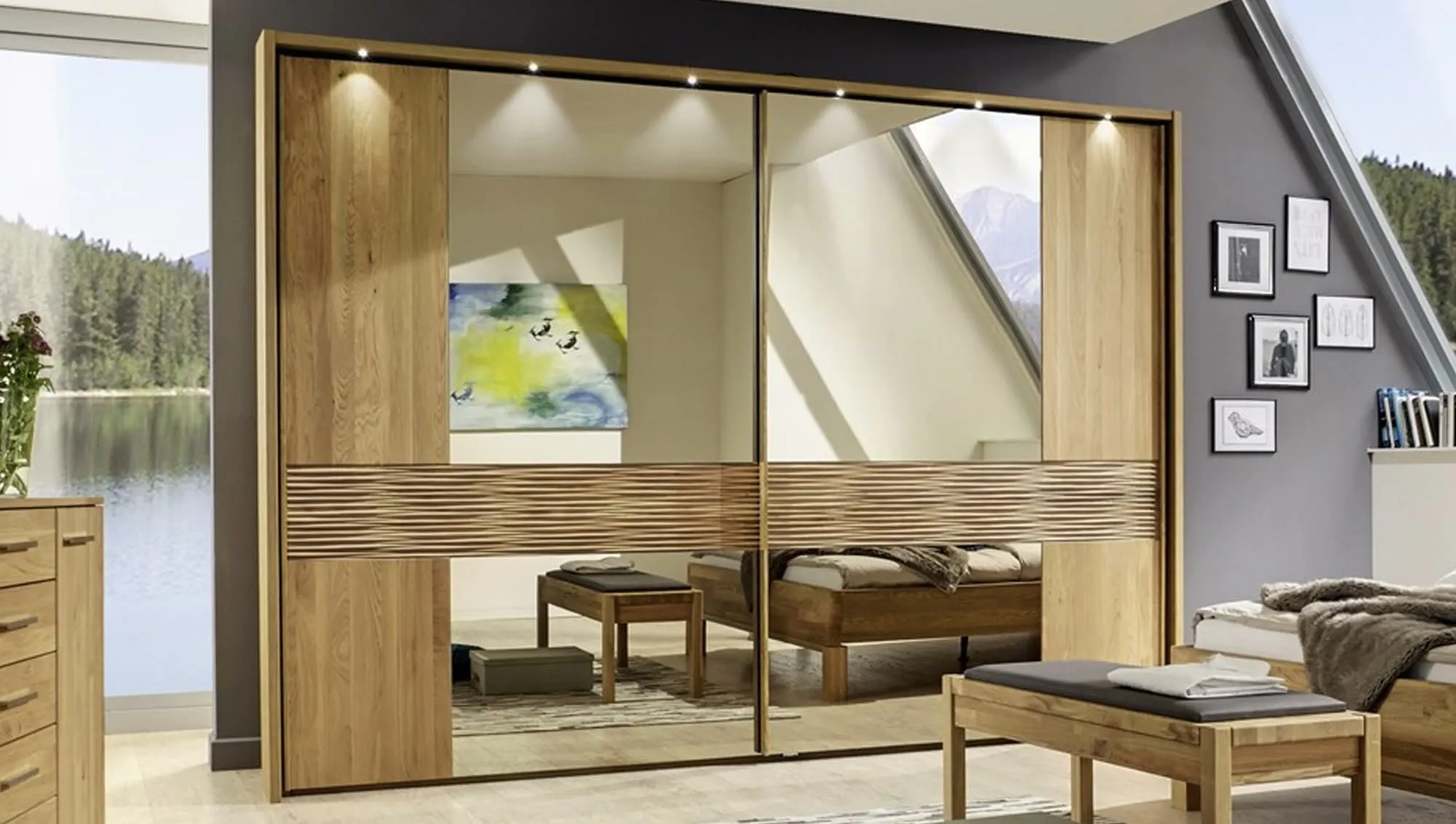
Combine storage and style with Mirrored Wardrobes.
Mirrors can change the way a small room looks.
A mirrored wardrobe door reflects light and parts of the room, creating a greater sense of depth. Instead of looking at a solid wardrobe surface, you see a reflection of the space around it.
This can make a compact bedroom feel brighter and more open.
Mirrored wardrobes are particularly useful when:
- The room has limited natural light.
- There isn't enough wall space for a separate mirror.
- You want a full length mirror.
- You want your wardrobe to have more than one function.
However, don't feel that every wall needs a mirror. Too many reflective surfaces can make a room feel visually busy.
One large mirrored wardrobe can often have a greater impact than several small mirrors.
5. Use Light Colours Carefully
Light colours are often recommended for small bedrooms, but simply painting everything white isn't the only solution.
Soft neutrals, warm creams, pale greys and muted tones can help create an airy appearance without making the room feel cold.
The important thing is consistency.
Using several contrasting dark colours across the walls, furniture and accessories can visually break up the room and make it feel smaller.
Instead, try keeping the larger surfaces within a similar tonal family.
For example:
Walls: Soft warm white
Bed: Light neutral
Wardrobe: Cashmere or pale grey
Bedding: Cream and muted tones
You can then introduce darker or brighter colours through smaller accessories such as cushions, artwork and throws.
6. Maximise Vertical Space
When floor space is limited, look upwards.
The vertical space in a bedroom is often underused. Tall wardrobes, high shelves and wall mounted storage can provide additional capacity without taking up much more floor area.
A taller wardrobe can be particularly useful because the extra storage comes from height rather than width.
Use higher shelves for items you don't need every day, such as:
- Suitcases
- Winter clothing
- Spare bedding
- Seasonal decorations
- Storage boxes
Keep everyday items within easy reach and use the upper areas for less frequently used belongings.
This keeps the lower part of the room visually clearer.
7. Reduce Furniture Clutter
One of the fastest ways to make a bedroom feel smaller is to fill it with furniture that isn't actually necessary.
Before adding another chest of drawers, bedside table or storage unit, ask yourself whether you really need it.
Could the same storage be incorporated into the bed?
Could the wardrobe provide more shelving?
Could wall mounted storage replace a floor standing unit?
The goal isn't to have an empty bedroom. It's to remove unnecessary pieces that interrupt the room's flow.
A smaller number of useful pieces will usually make the space feel calmer than lots of individual items.
8. Choose Furniture with a Smaller Footprint
Furniture footprint refers to how much floor space a piece occupies.
Two wardrobes may have similar storage capacities but very different footprints.
The same applies to beds, bedside tables and chests of drawers.
When shopping for bedroom furniture, look beyond overall dimensions and consider:
- Depth
- Width
- Height
- Door clearance
- Drawer clearance
- Space between furniture
A shallow chest of drawers may be more practical than a deep one if it allows you to maintain a comfortable walkway.
Likewise, a tall narrow storage unit may provide useful capacity without taking up the floor area of a wider design.
9. Keep the Floor Visible
Visible floor space has a surprisingly strong effect on how large a bedroom appears.
When furniture, storage boxes and clothing cover large sections of the floor, the room can feel crowded even if the actual dimensions haven't changed.
Try to keep the central walking areas clear.
Furniture with legs can also help because you can see some of the floor underneath it. This creates a lighter visual effect compared with furniture that extends directly to the floor.
An ottoman bed is another useful option because it allows you to keep storage hidden rather than leaving boxes around the room.
10. Use Lighting Strategically
Good lighting can completely change how a small bedroom feels.
A single bright ceiling light can leave corners looking dark, making the room appear smaller.
Instead, use several layers of light.
Consider:
Ceiling lighting: General illumination across the room.
Bedside lighting: Useful for reading and creates a softer atmosphere.
Wardrobe lighting: Helps illuminate darker storage areas.
Wall lighting: Can provide useful light without taking up bedside table space.
Warm, evenly distributed lighting can make a small bedroom feel more welcoming, while brighter task lighting can be used where you actually need it.
If your wardrobe or bed blocks natural light, consider whether moving the furniture would improve the distribution of daylight.
11. Use Mirrors Carefully
Mirrors can help create the impression of additional space, but placement matters.
A large mirror opposite or near a window can reflect daylight further into the room.
You can also use a mirror to reflect an attractive part of the bedroom rather than placing it where it reflects clutter.
Think about what the mirror will show before deciding where to put it.
Good places for mirrors include:
- Wardrobe doors
- Opposite windows
- Beside dressing areas
- Above a chest of drawers
- On a wall facing a light source
If you already have mirrored wardrobe doors, you may not need additional large mirrors.
12. Keep Window Areas Clear
Natural light is one of the easiest ways to make a small bedroom feel more spacious.
Avoid placing tall furniture directly in front of windows where possible.
A wardrobe that blocks a large part of the window can make the room feel darker and more enclosed.
Keep curtains and blinds relatively simple if the room is very small. Heavy window treatments can make the window area feel visually heavier.
Lightweight curtains or simple blinds can allow more daylight into the room while maintaining privacy.
If your bedroom has a particularly attractive view, keeping the area around the window clear can also create a stronger visual connection with the outside.
13. Choose Multifunctional Furniture
When space is limited, furniture that performs more than one job can be extremely useful.
An ottoman bed is a perfect example because it functions as both a bed and a storage solution.
A mirrored wardrobe combines clothing storage with a full length mirror.
A bedside table with drawers provides both a surface and additional storage.
A dressing table with built in storage can reduce the need for a separate chest of drawers.
Multifunctional furniture ideas
| Furniture | Functions |
|---|---|
| Ottoman bed | Sleeping + hidden storage |
| Mirrored wardrobe | Clothing storage + full length mirror |
| Storage bed | Sleeping + additional storage |
| Bedside table with drawers | Surface + storage |
| Dressing table | Getting ready + storage |
| Tall wardrobe | Clothing + vertical storage |
The fewer separate pieces you need, the easier it becomes to maintain an uncluttered room.
How to Arrange Furniture in a Small Bedroom
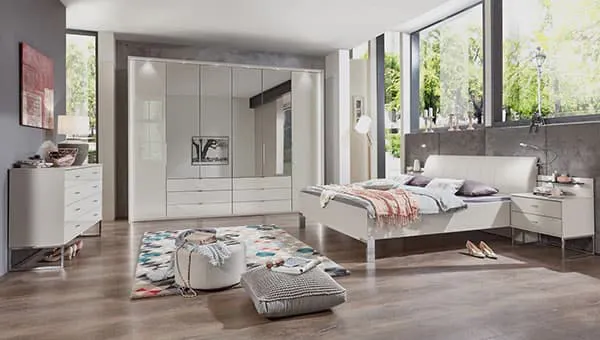
Furniture placement can be just as important as the furniture itself.
Start with the bed because it is usually the largest item.
Place it where you can comfortably access both sides if the room allows. If space is particularly tight, positioning the bed closer to one wall may free up more usable floor space, although this can make changing bedding and getting in and out less convenient.
Next, position the wardrobe.
If you are using a hinged wardrobe, make sure the doors can open fully without hitting the bed or another piece of furniture.
With a sliding wardrobe, you have more flexibility because the doors do not require additional clearance.
Finally, add smaller furniture such as bedside tables and chests of drawers.
Avoid filling every available gap.
Leaving some empty space can actually make the room feel more spacious.
What Furniture Should You Avoid in a Small Bedroom?
There are no strict rules, but some furniture choices can make compact rooms feel more crowded.
Try to avoid:
- Oversized wardrobes
- Very deep chests of drawers
- Furniture that blocks windows
- Too many separate storage units
- Bulky bedside tables
- Excessively large decorative pieces
- Furniture that blocks the main walkway
This doesn't mean you have to choose tiny furniture.
Instead, look for pieces that provide useful storage or functionality without an unnecessarily large footprint.
Expert Recommendation
If you're trying to make a small bedroom look bigger, start with the furniture rather than the accessories.
A practical combination for many UK bedrooms would be:
1. A correctly sized bed
Choose the largest size that still leaves comfortable walking space.
2. An ottoman bed
Use the space underneath for bedding, clothes and other belongings.
3. A sliding wardrobe
Avoid losing valuable floor space to hinged doors.
4. Mirrored doors if suitable
Use reflection to increase brightness and visual depth.
5. Tall storage
Make use of the wall height rather than adding more furniture across the floor.
6. Layered lighting
Use ceiling, bedside and accent lighting to prevent dark corners.
The result is a room where every major piece has a clear purpose.
Final Thoughts
Making a small bedroom look bigger isn't about making the room completely empty. It's about making better use of the space you already have.
Start with the largest pieces of furniture. Choose a bed that suits the room rather than automatically buying the biggest size available. Consider an ottoman bed if you need additional storage, and choose a sliding wardrobe if floor space is limited.
Mirrored doors can help reflect light, while lighter colours and strategically placed lighting can make the room feel brighter. At the same time, keeping windows, walkways and sections of floor visible gives the room a more open appearance.
Most importantly, avoid buying furniture simply because there is an empty corner. Every item should earn its place.
With a little planning, even a compact bedroom can feel comfortable, organised and surprisingly spacious.
Ready to rethink your bedroom? Shop Head2Bed Bedroom Furniture.
FAQs
How can I make my small bedroom look bigger?
Choose appropriately sized furniture, keep the floor and windows clear, use hidden storage and avoid unnecessary clutter. Sliding wardrobes, ottoman beds, mirrors and light colours can also help create a greater sense of space.
What bed size is best for a small bedroom?
The best bed size depends on the room's dimensions and your sleeping needs. A double bed is often practical for compact bedrooms, while a king size bed can work well if the room has enough floor space around it.
Do ottoman beds make a bedroom look bigger?
An ottoman bed can help a bedroom feel less cluttered because it provides hidden storage underneath the mattress. This can reduce the need for additional wardrobes, chests or storage boxes around the room.
Are sliding wardrobes better for small bedrooms?
Sliding wardrobes are often a good choice for small bedrooms because their doors move across the front rather than opening into the room. This reduces the amount of floor space required for access.
Do mirrored wardrobes make a room look bigger?
Mirrored wardrobes can create the impression of a larger room by reflecting light and surrounding areas. They are particularly useful in bedrooms that have limited natural light.
What colours make a small bedroom look bigger?
Soft white, cream, beige, pale grey and other light neutral shades can help create a brighter, more open appearance. Using similar tones across larger surfaces can also reduce visual clutter.
Should I put a wardrobe in front of a window?
It is generally better to avoid blocking a window with a large wardrobe because this can reduce natural light. If possible, keep windows and the surrounding area clear.
How do I maximise storage in a small bedroom?
Use furniture with built in or hidden storage. Ottoman beds, tall wardrobes, sliding wardrobes with efficient internal layouts and bedside tables with drawers can all help increase storage without filling the room with additional furniture.
Are large mirrors good for small bedrooms?
One strategically placed large mirror can work very well in a small bedroom. Positioning it where it can reflect natural light or an uncluttered part of the room will usually have a better effect than adding several smaller mirrors.
What furniture should I buy first for a small bedroom?
Start with the bed and wardrobe because they usually occupy the most space. Once you know how these two pieces fit, you can add smaller items such as bedside tables, chests of drawers and dressing furniture without overcrowding the room.