
Best Mattress for Back Pain UK: How to Choose the Right Mattress for Better Support
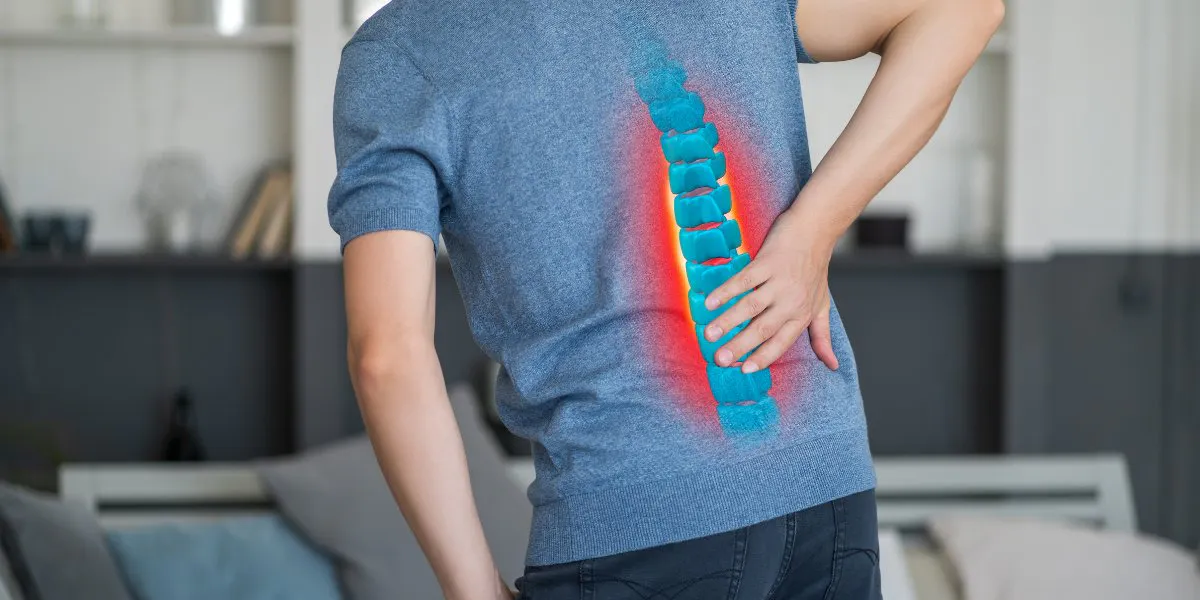
The best mattress for back pain is usually one that provides balanced support without feeling excessively hard. A medium to medium firm mattress can help keep the spine properly supported while allowing the shoulders and hips to settle comfortably. Your sleeping position, body weight and personal preference should also guide your choice.
If you regularly wake up with an aching lower back, stiffness or discomfort, your mattress may be worth looking at.
A mattress is not always the cause of back pain, but the wrong one can certainly make sleeping less comfortable. A mattress that has started to sag may leave your body unsupported, while one that is too firm can create pressure around your hips and shoulders.
The good news is that choosing a suitable mattress does not have to be complicated.
The right choice comes down to a few important things: how you sleep, how much support you need, how firm you like your mattress to feel and how well it keeps your body in a comfortable position throughout the night.
In this guide, we look at what to consider when searching for the best mattress for back pain, including firmness, mattress type, sleeping position and body weight.
What Is the Best Mattress Firmness for Back Pain?
Firmness is one of the first things most people consider when shopping for a mattress, particularly when they are looking for something to help with back discomfort.
There is a common belief that a very firm mattress must be better for your back. In reality, that is not necessarily the case.
Your mattress needs to support your body while also allowing enough cushioning for areas such as your shoulders and hips. If the surface is too hard, these areas may not sink enough. If it is too soft, your hips may sink too deeply.
For many people, a medium to medium firm mattress offers a useful balance.
| Mattress firmness | Support | Pressure relief | Often suitable for |
|---|---|---|---|
| Soft | Moderate | High | Lighter sleepers and some side sleepers |
| Medium | Good | Good | Most sleeping positions |
| Medium firm | Very good | Good | Back sleepers and combination sleepers |
| Firm | High | Moderate | Heavier sleepers and some front sleepers |
| Very firm | Very high | Low | People who specifically prefer a hard surface |
These categories are only a guide. Mattress manufacturers use different firmness scales, so a medium mattress from one brand may feel firmer or softer than a medium mattress from another.
Firm vs Medium Mattress for Back Pain
When comparing a firm vs medium mattress for back pain, medium is often the better starting point for most sleepers.
A firm mattress can feel reassuringly supportive, but firmness and support are not the same thing. A well-designed medium mattress can provide plenty of support while offering more cushioning around pressure points.
A firmer mattress may be more suitable if you are a heavier sleeper or tend to sleep on your front. However, choosing the firmest mattress available simply because you have back pain is unlikely to be the best approach for everyone.
The most important question is whether the mattress keeps your body comfortably supported without allowing your hips to sink too far or creating uncomfortable pressure.
What Should You Look for in a Mattress for Back Pain?
When choosing a mattress for lower back support, look beyond the firmness rating.
The construction of the mattress, its support system and the materials used on the comfort layers can all affect how it feels.
A good mattress should distribute your body weight rather than concentrating pressure in one area. It should also allow your spine to maintain a natural position while you sleep.
Spinal alignment
Good spinal alignment is one of the most important things to consider.
When you lie down, your spine should remain in a relatively neutral position. Your hips should not sink so far into the mattress that your lower back arches unnaturally, and the mattress should not be so hard that your shoulders and hips are pushed upwards.
This is particularly important if you spend most of the night sleeping on your back.
Pressure relief
Pressure relief is especially important around the shoulders, hips and lower back.
Memory foam can be useful here because it moulds around the body. Other mattresses, particularly hybrids, can combine pressure-relieving comfort layers with a supportive spring system.
Support
Support does not simply mean firmness.
A mattress can feel comfortable and relatively soft on the surface while still having a supportive core underneath. This is why it is better to consider the mattress as a whole rather than focusing entirely on one firmness label.
Motion control
If you share your bed, think about how much movement you feel when your partner turns over.
Memory foam generally absorbs movement well, while pocket sprung and hybrid mattresses tend to feel more responsive.
Breathability
Temperature is another consideration that is easy to overlook.
Some people find that certain memory foam mattresses retain more heat than traditional spring mattresses. If you tend to sleep warm, look for a design that promotes airflow and uses breathable materials.
Memory Foam vs Pocket Sprung for Back Pain
Both memory foam and pocket-sprung mattresses can work well for people who want supportive comfort. The better option depends on how you prefer your mattress to feel.
| Feature | Memory Foam | Pocket Sprung | Hybrid |
|---|---|---|---|
| Feel | Contouring | Responsive | Balanced |
| Pressure relief | Excellent | Good | Very good |
| Support | Good | Excellent | Excellent |
| Movement | Less responsive | More responsive | Balanced |
| Motion isolation | Very good | Moderate | Good |
| Suitable for couples | Yes | Yes | Yes |
| Temperature | Can feel warmer | Generally breathable | Depends on construction |
Memory foam mattresses
A memory foam mattress for back pain can be a good choice if you like a mattress that gently moulds around your body.
The foam responds to your weight and can help spread pressure more evenly across the surface. This can be particularly comfortable if you tend to experience pressure around your hips or shoulders.
One potential drawback is that some memory foam mattresses can feel warmer than spring-based designs. They can also have a slower response, which means changing position may require slightly more effort.
Pocket sprung mattresses
A pocket-sprung mattress for back pain provides a more responsive sleeping surface.
Individual springs move independently, allowing the mattress to respond to different areas of your body. This can provide a supportive feel without the deeper sinking sensation associated with some foam mattresses.
Pocket-sprung mattresses can also be a good option if you prefer to move easily during the night.
Hybrid mattresses
Hybrid mattresses combine different materials, often pocket springs with foam or another comfort layer.
This can make them an appealing choice if you want the support and responsiveness of springs alongside the cushioning of foam.
For couples with different preferences, a hybrid can also offer a useful middle ground.
Explore the Mattress Collection at Head2Bed to compare different options.
What Is the Best Mattress for Back Sleepers?
The best mattress for back sleepers should support the natural curve of the spine without allowing the hips to sink excessively.
Back sleeping places much of your body weight across the back of the body, so the mattress needs to provide consistent support beneath the shoulders, lower back and hips.
A medium to medium firm mattress can work well for many back sleepers.
However, you should not assume that a particular firmness will automatically be right for you. Body weight, body shape and personal preference all influence how a mattress feels.
How to check your alignment
Lie on your back and pay attention to the space beneath your lower back.
You should feel supported without a large gap between your body and the mattress. At the same time, your hips should not feel as though they are sinking deeply into the mattress.
If your lower back feels strained or unsupported, the mattress may not be providing the right balance.
What Is the Best Mattress for Side Sleepers with Back Pain?
Side sleepers have slightly different requirements.
When you sleep on your side, your shoulders and hips carry more of your body weight. A mattress that is too firm may create pressure in these areas, while a very soft mattress may allow your middle section to sink too far.
A medium mattress with good pressure relief can often be a useful choice.
If you regularly move between your side and back during the night, a medium-firm hybrid can provide a versatile balance between cushioning and support.
Best Mattress Firmness Based on Body Weight
Your body weight affects how deeply you sink into a mattress.
This means that the same mattress can feel quite different to two people.
| Body weight | Starting firmness to consider | Why |
|---|---|---|
| Under 60 kg | Soft to medium | Less pressure is placed on the mattress |
| 60 to 90 kg | Medium to medium firm | Balanced support for many sleepers |
| 90 to 110 kg | Medium firm to firm | Helps limit excessive sinking |
| Over 110 kg | Firm or supportive hybrid | Greater structural support may be beneficial |
These are general guidelines rather than strict rules.
Your sleeping position should always be considered alongside body weight. A heavier side sleeper, for example, may still need enough cushioning around the shoulders and hips.
Can a Mattress Cause Back Pain?
Yes, an unsuitable or worn mattress can contribute to discomfort for some people.
As mattresses age, they can lose some of their original support. Sagging or uneven areas can affect the way your body rests during the night.
A mattress can also simply be wrong for your sleeping style.
If you sleep on your side but use a very firm mattress, you may experience pressure around your shoulders and hips. If you sleep on your back on a mattress that is too soft, your hips may sink too far.
That does not mean every episode of back pain is caused by your mattress. Back discomfort can have many different causes.
If you experience persistent, severe or unexplained pain, speak to an appropriate healthcare professional rather than relying solely on a new mattress.
How to Choose a Mattress for Back Pain
If you are unsure how to choose a mattress for back pain, start with your current mattress.
Think about how it feels when you wake up.
Does it feel too hard?
Does your lower back feel unsupported?
Do your hips sink too deeply?
Do your shoulders feel uncomfortable?
Does the mattress sag?
Your answers can help you work out what needs to change.
Step 1: Think about your sleeping position
If you sleep mainly on your back, focus on balanced support.
If you sleep mainly on your side, prioritise pressure relief around your shoulders and hips.
If you sleep in several positions, look for a mattress that provides a good balance of support and responsiveness.
Step 2: Consider firmness
Medium to medium firm is a sensible starting point for many people.
Do not automatically choose a very firm mattress simply because you experience back discomfort.
Step 3: Compare mattress types
Think about whether you prefer the contouring feel of memory foam, the responsiveness of pocket springs or the combination offered by a hybrid.
Step 4: Check the dimensions
Your new mattress needs to match the dimensions of your existing bed frame.
Check the exact measurements before ordering rather than relying only on labels such as double or king size.
Step 5: Consider your partner
If you share a bed, think about motion transfer and whether you both prefer the same firmness.
A hybrid mattress with good motion isolation can make a noticeable difference if one person moves more during the night.
Find the right level of comfort and support with Head2Bed Mattresses.
A Simple Mattress Decision Chart
Use the chart below as a starting point when narrowing down your options.
| If you... | You may want to consider... |
|---|---|
| Sleep mainly on your back | Medium to medium firm |
| Sleep mainly on your side | Medium with good pressure relief |
| Sleep mainly on your front | Medium firm to firm |
| Change position frequently | Responsive hybrid or pocket springs |
| Prefer a moulded feel | Memory foam |
| Prefer a traditional feel | Pocket springs |
| Sleep with a restless partner | Memory foam or hybrid |
| Sleep hot | Breathable pocket spring or hybrid designs |
| Need stronger support | Medium firm to firm |
Remember that this is a guide rather than a prescription. Comfort is personal, and two people with almost identical sleeping habits can still prefer different mattresses.
Final Thoughts
Finding the best mattress for back pain is not about choosing the hardest mattress you can find.
It is about finding the right balance between support, comfort and pressure relief.
For many people, a medium to medium firm mattress is a sensible place to begin. Memory foam can be a good choice if you prefer a softer, more moulded feel, while pocket springs offer responsive support. Hybrid mattresses can bring both qualities together.
Your sleeping position and body weight also matter. Back sleepers generally need consistent support around the lower back and hips, while side sleepers need enough cushioning around the shoulders and hips.
Before replacing your mattress, pay attention to what your current one is doing. If it is sagging, feels uncomfortable or leaves you consistently stiff in the morning, it may be time to look at alternatives.
The right mattress should feel supportive without making you think about it all night. You should be able to settle comfortably, move naturally and wake up feeling rested.
FAQs
What is the best mattress for back pain?
The best mattress for back pain is generally one that provides a comfortable balance of support and pressure relief. A medium to medium firm mattress can be a good starting point for many sleepers, but the right choice depends on your sleeping position, body weight and personal preference.
What is the best mattress for lower back pain?
The best mattress for lower back pain should support your hips and lower back without allowing them to sink excessively. A supportive medium or medium firm mattress can work well for many people.
Is a firm mattress better for back pain?
Not necessarily. A firm mattress can provide strong support, but an excessively hard surface may create pressure around the hips and shoulders. Medium to medium firm mattresses can offer a better balance for many sleepers.
What is the best mattress for back sleepers?
The best mattress for back sleepers should support the natural curve of the spine while preventing the hips from sinking too deeply. Medium and medium firm mattresses are often a good starting point.
Can a mattress cause back pain?
An unsuitable or worn mattress can contribute to discomfort for some people. Sagging, insufficient support or excessive firmness may affect how comfortably your body rests during the night. However, back pain can have many causes.
What is the best mattress firmness for back pain?
Medium to medium firm is a useful starting point for many sleepers. However, the ideal firmness also depends on body weight, sleeping position and personal preference.
Is memory foam good for back pain?
Memory foam can be a good option because it moulds around the body and provides pressure relief. Some sleepers, however, prefer the more responsive feel of pocket springs or a hybrid mattress.
Is a pocket-sprung mattress good for back pain?
Yes. Pocket springs can provide responsive support while allowing you to move relatively easily during the night. They can be particularly suitable for people who prefer a traditional mattress feel.
What is the best mattress for spinal alignment?
A mattress that supports your body's natural curves while keeping your spine in a relatively neutral position is generally preferable. Medium to medium firm mattresses can provide a useful balance for many sleepers.
How to choose a mattress for back pain?
Consider your sleeping position, body weight, preferred firmness and the type of support you need. Look for a mattress that supports your body without allowing your hips to sink excessively or creating uncomfortable pressure around your shoulders and lower back.