
Solid Oak Beds
Solid oak beds have a way of making a bedroom feel grounded and calm. The material brings texture and visual weight without overwhelming a space, and the subtle grain of oak varies beautifully from piece to piece. In bedrooms that prioritise comfort and longevity, oak tends to be a natural choice because it balances ruggedness with refinement.

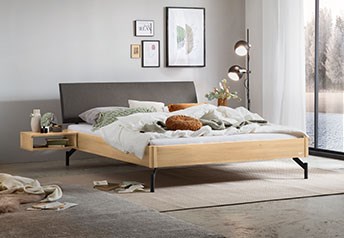
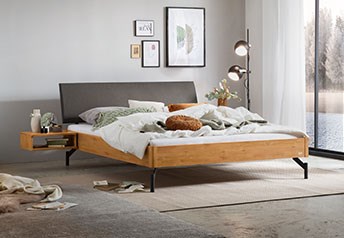


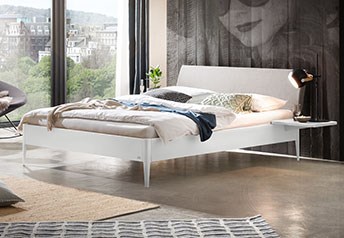
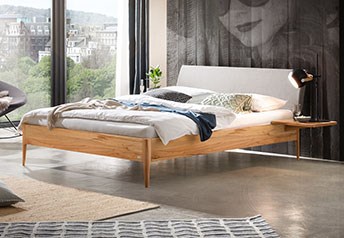


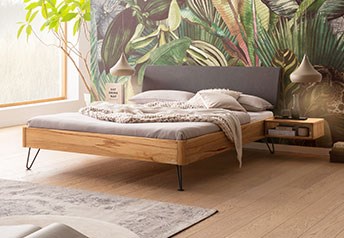
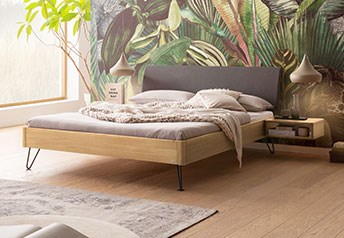

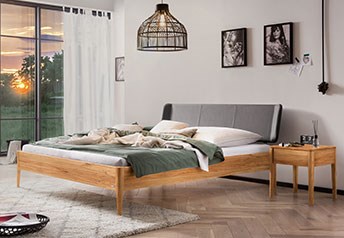
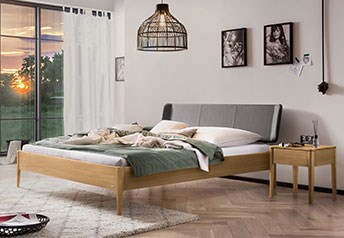

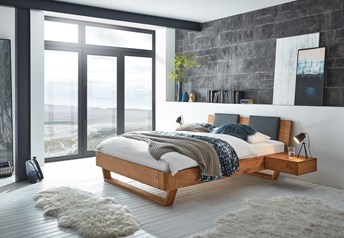
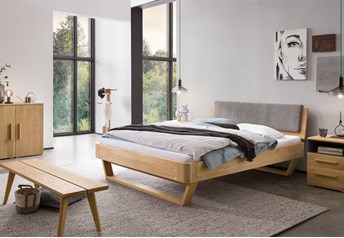


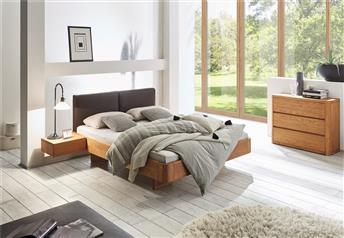
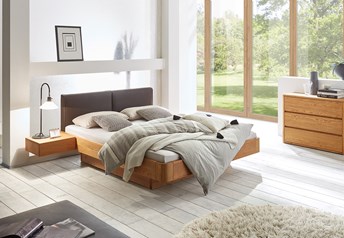







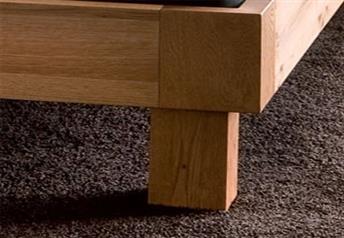
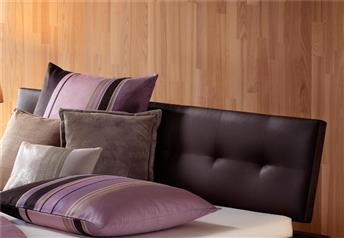

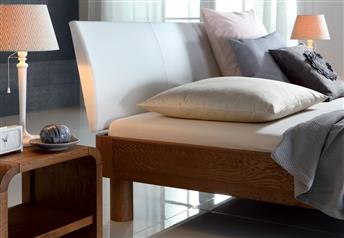
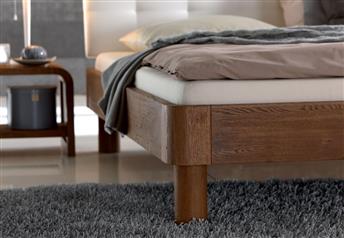
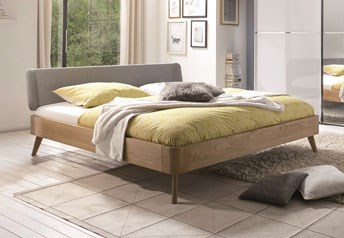
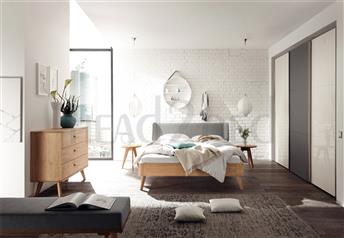


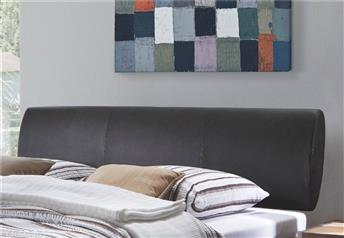
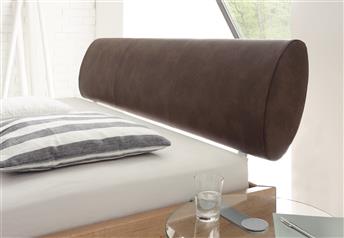

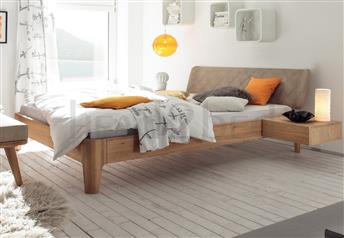
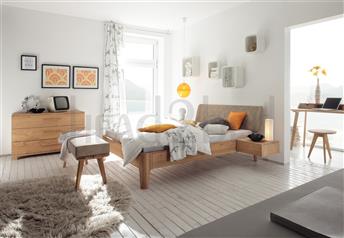
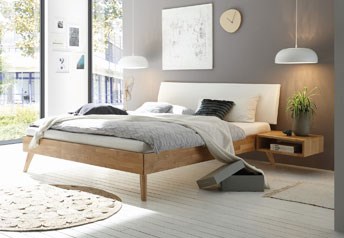


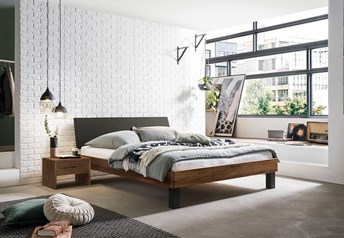



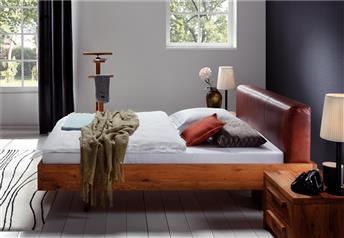
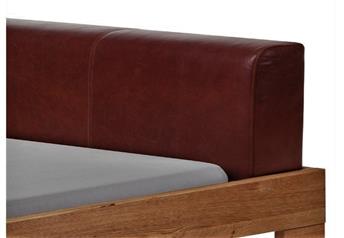
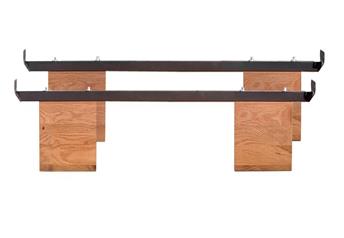

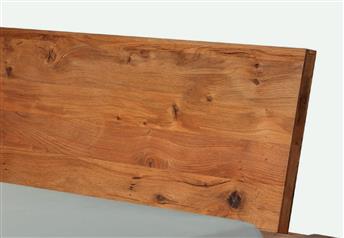
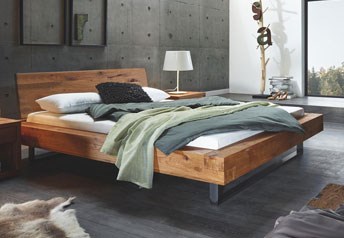
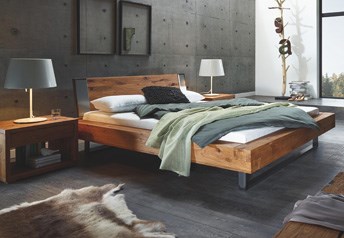
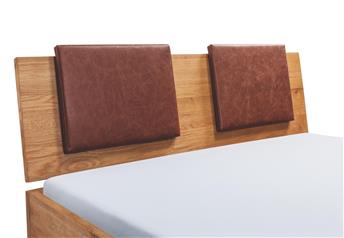

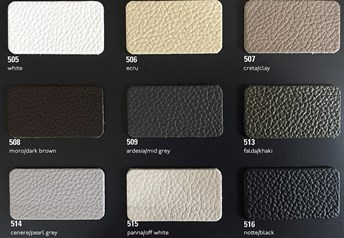









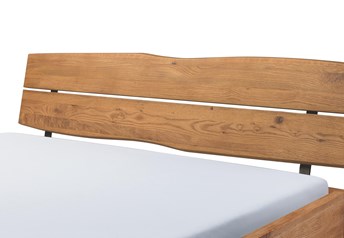
Solid Oak Beds for Timeless Bedrooms
As we move through 2026, more people are choosing furniture that feels timeless rather than tied to a fleeting trend. Oak fits this approach because it ages gracefully, works well with contemporary interiors, and pairs effortlessly with a wide range of furniture and accessories.
This guide explores why solid oak beds remain a compelling choice, how to select the right style and finish, how to style oak within a bedroom that feels curated, not crowded, and what practical considerations matter when you live with oak furniture every day. At the end, you will find four practical FAQs that address common dilemmas before buying.
Why solid oak beds remain a favourite choice
A natural sense of warmth
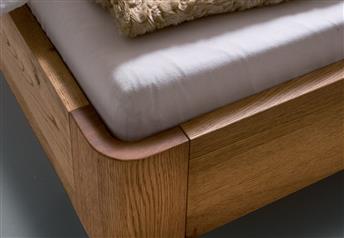
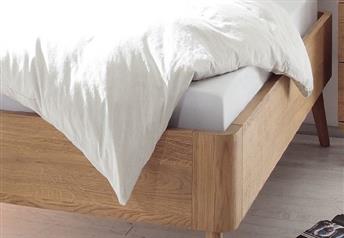
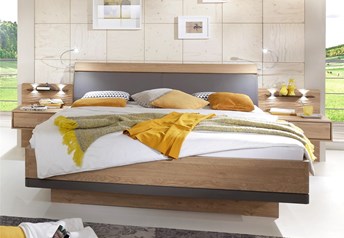
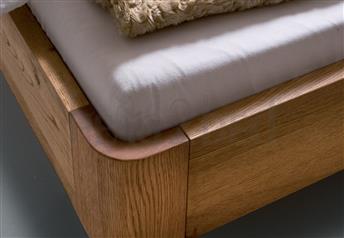
Oak’s grain adds visual texture that softens a room without introducing colour that competes with other elements. Whether the finish is light and honeyed or richer and deeper, oak beds bring warmth that contrasts beautifully with carpets, rugs, and soft bedding.
Structure that feels enduring
Solid oak is strong. It resists everyday knocks and scuffs more reliably than many softer woods. Over time, the wood develops a character that feels more like evolution than wear, which is why many people choose oak for beds that are meant to be long-term.
Versatility, sustainability, and modern living
Versatility across styles
Oak beds bridge so many interior styles with ease.
- In contemporary rooms, they bring organic balance to clean lines
- In minimalist spaces, they soften stark geometry
- In layered interiors, they work with fabric, leather, or metal accents
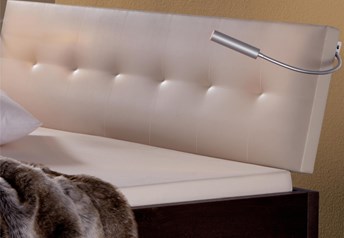
This adaptability is why oak often appears alongside other bed styles such as upholstered beds, leather headboard beds, or even high gloss designs. Oak introduces a quiet counterpoint to smoother or softer finishes.
A sustainable choice that feels responsible
In 2026, sustainability influences many purchase decisions. Responsibly sourced oak supports longevity and reduces the need for frequent replacement. Choosing solid oak furniture is often part of a broader approach to designing rooms that last rather than rooms that follow every trend.
Choosing the right solid oak bed for your space
Frame design and proportions
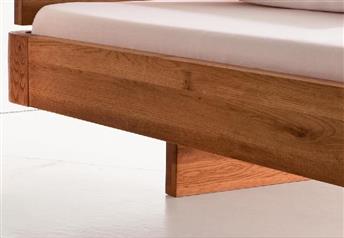
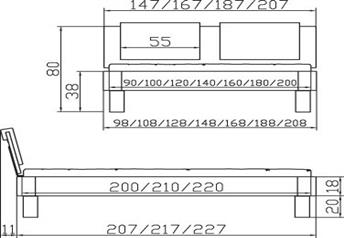
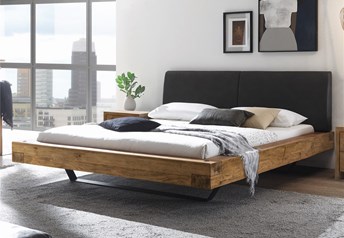
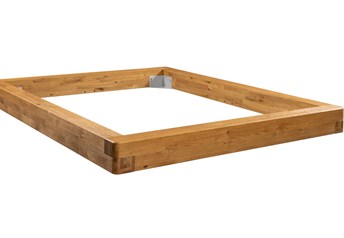
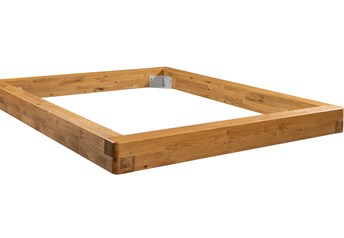
Oak beds range from simple low profiles to more substantial framed designs.
- Lower framed beds feel contemporary and allow more wall or artwork presence above
- Higher framed beds give a sense of enclosure and anchor larger rooms
- Chunkier frames introduce visual weight that suits expansive interiors
Think about ceiling height and room size before deciding on proportions. A more substantial oak bed can feel beautiful in a spacious room, but overwhelming in a snug space.
Headboard styles in oak
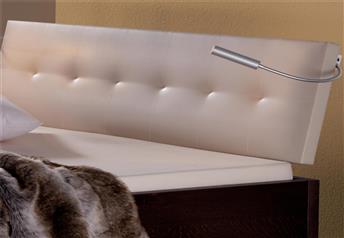
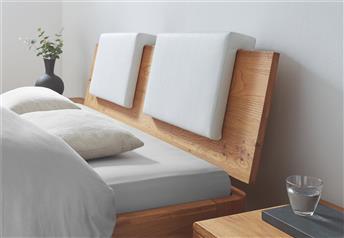
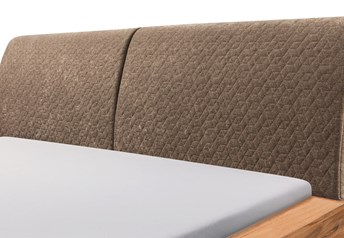
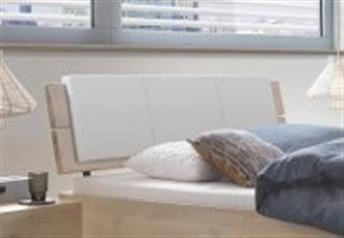
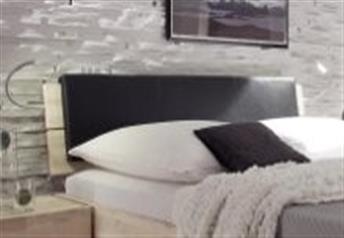
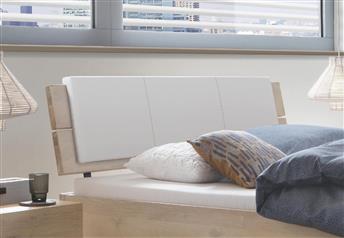
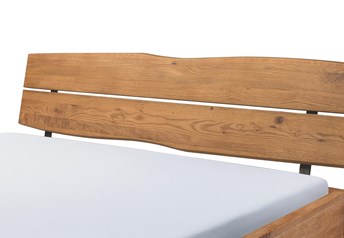
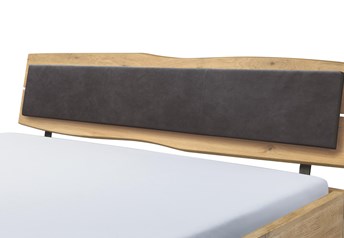
Oak headboards vary from solid panels to slatted or framed designs.
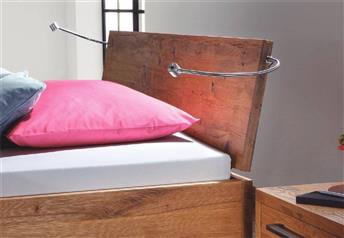
- Solid panel headboards feel calm and unified
- Slatted designs introduce subtle rhythm and texture
- Framed headboards with inset panels balance structure and lightness
Choose a style that complements your bedroom’s other elements, whether that is soft textiles, bold lighting, or other wooden furniture.
Finishes from pale to rich
Oak finishes influence mood without changing the material itself.
- Light finishes bring airiness to smaller rooms
- Natural finishes highlight grain and texture
- Richer stains add depth and contrast in larger rooms
Consider flooring and other furniture finishes when selecting tone. Oak works well with neutral carpets and timber floors alike.
Pairing with other bed types
Thinking about how oak transitions across bed categories helps with long-term planning.
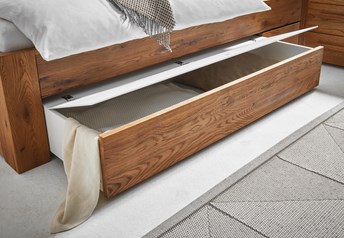
For example, you might compare oak beds with leather headboard beds or upholstered beds to understand how texture shapes the space. Oak also pairs naturally with storage beds, so the room functions well without feeling crowded.
Styling a solid oak bed in a bedroom that feels welcoming
Bedding textures that feel complementary
Oak’s natural warmth looks great with fabrics that feel tactile.
- Soft cotton for crisp, clean lines
- Linen for relaxed sophistication
- Brushed woven fabrics for winter warmth
Avoid overly glossy materials that can contrast with the oak’s subdued texture.
Creating contrast and harmony
Contrast helps the oak stand out without overpowering.
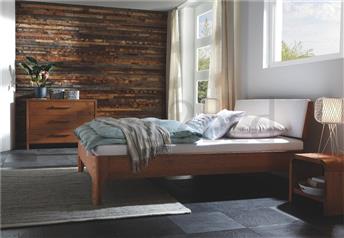
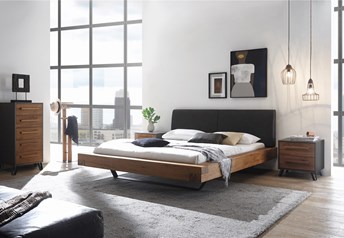
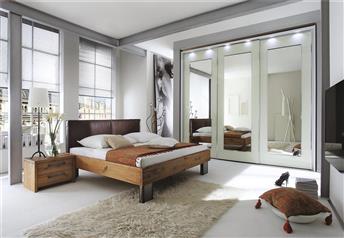
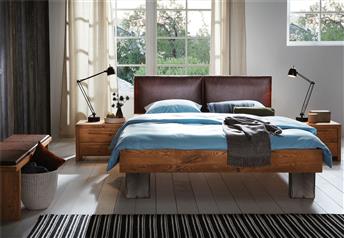
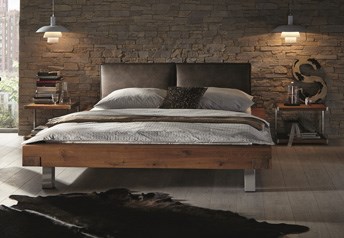
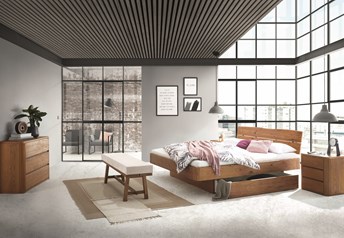
- Light walls with oak frames bring balance
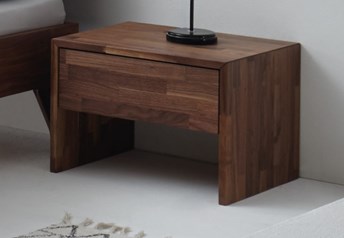
- Deep tones on bedside tables add a layer
- Soft rugs help separate the bed from the floor visually
Repetition of wood tone across bedside tables or chests helps unify the room.
Accessory choices that feel intentional
Accessories should feel purposeful rather than decorative.
- Bedside lighting that reflects the bed’s proportions
- Rugs that frame and anchor the sleeping area
- Mirrors that bounce light and break up solid surfaces
In 2026, bedrooms lean towards intentional accessories rather than numerous small pieces.
Flow and space around oak beds
Oak feels best when the room can breathe.
- Leave space around the bed for movement
- Ensure drawers or storage can open easily
- Avoid overcrowding one wall with large furniture
A clear layout helps oak beds feel part of the room rather than something that dominates it.
Practical considerations for living with oak furniture
Oak and mattress pairing
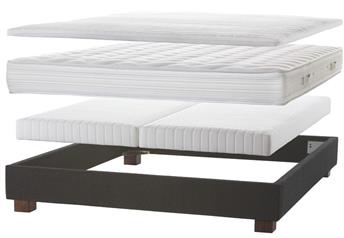
Solid oak beds accept all standard UK mattress types.
- Memory foam for a sink-in feel
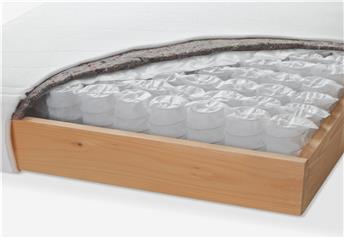
- Pocket sprung for responsive support
- Hybrid for a balance of bounce and comfort
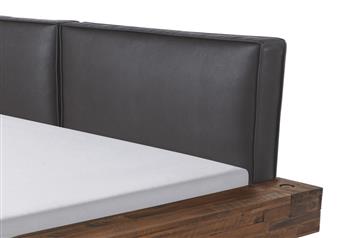
Check mattress depth against the frame height to ensure a neat look.
Cleaning and long-term care
Oak is resilient, but simple care keeps it looking its best.
- Dust regularly with a soft cloth
- Avoid prolonged exposure to direct sunlight
- Wipe spills quickly to prevent marks
- Use appropriate wood care products occasionally
Oak does not demand high maintenance, but attention to small details rewards longer life and beauty.
Oak in busy households
In homes with pets or children, oak’s grain and warmth can disguise minor marks more easily than flat matte finishes. A natural finish tends to age with character. Light dings or patina can add to the sense that the bed has lived through real life.
Coordinating with existing furniture
Oak pairs with various finishes without feeling mismatched.
- Soft textiles and fabrics add contrast
- Metal lighting or mirror frames introduce subtle tension
- Neutral tones keep the focus on comfort rather than contrast
This makes oak a practical choice when layering existing furniture rather than starting from scratch.
Oak is a hardwood known for its durability. Compared to softer woods, it resists everyday wear better and often ages more gracefully. With basic care, oak furniture can last many years without losing structural integrity or visual appeal.
Not necessarily. Choosing a lighter finish and pairing it with light walls and textiles helps oak feel warm rather than heavy. The material’s grain reflects light differently than smooth finishes, which can create a sense of depth without making the room feel darker.
Oak beds may have a higher upfront cost, but their longevity tends to balance this over time. Because oak ages well and does not need frequent replacement, it often proves economical over many years of use.
Consider the room’s natural light and existing finishes. Lighter oak tones help smaller or less bright rooms feel open. Mid to richer tones add contrast and depth in larger or more neutral spaces. Thinking about flooring and wardrobe finishes ahead of time helps ensure visual harmony.