
Pocket Sprung Mattresses
Pocket sprung mattresses are a popular choice for sleepers who want reliable support and comfort throughout the night. Each mattress is made with individual springs housed in separate fabric pockets, allowing them to move independently and respond to your body’s pressure. Pocket sprung mattresses are also known for their breathability, helping air circulate through the mattress for a cooler sleep. Explore our range of pocket sprung mattresses to find supportive, comfortable options designed to help you enjoy a better night’s sleep.



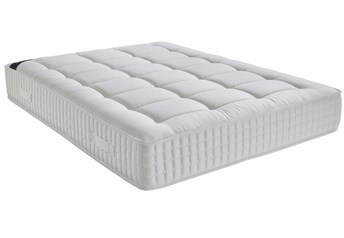
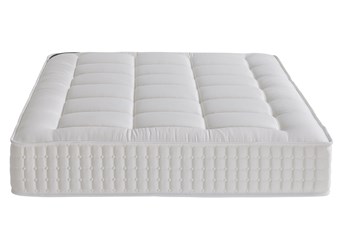

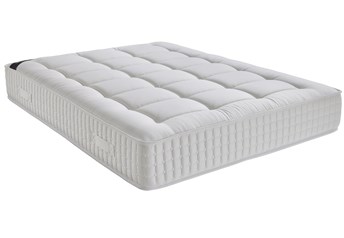
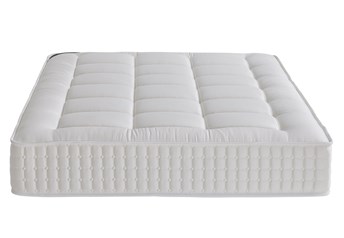

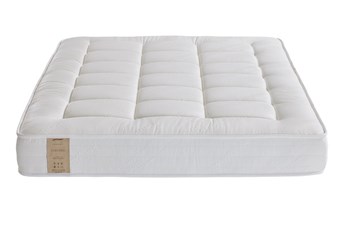
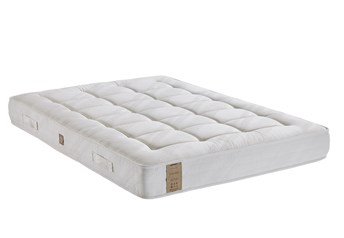

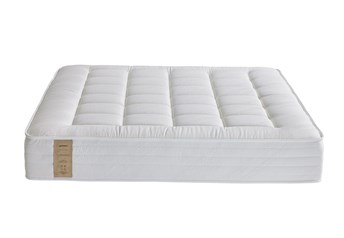
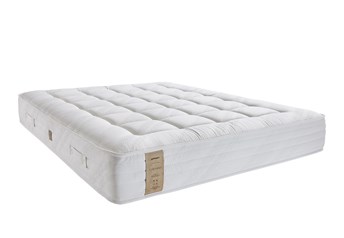

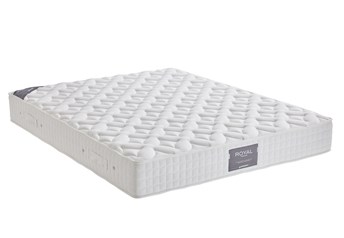
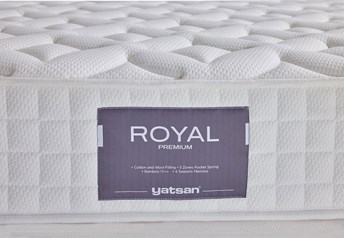
Pocket Sprung Mattresses: A Deeper Rest for Every Sleeper
When it comes to choosing a mattress that delivers lasting comfort, excellent support, and that elusive “just right” feel, pocket sprung mattresses have earned their place as one of the most dependable and popular choices across the UK. Whether you’re updating a guest bed, investing in your primary mattress, or searching for a sleep solution for restless nights or back discomfort, a pocket sprung mattress could be the answer.
In a crowded bedding market, where mattress types range from memory foam to hybrid and latex, pocket sprung mattresses offer a timeless balance of responsive support and breathable construction. This page has been carefully crafted to help you understand what makes pocket-sprung mattresses special, how they differ from other options, and how to select the perfect one for your needs.
So, settle in, because your best night’s sleep might just start here.
What is a pocket sprung mattress?
The heart of the mattress: individually wrapped springs
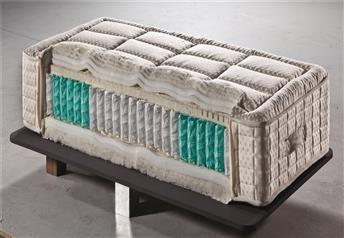
At the core of a pocket-sprung mattress are hundreds, sometimes thousands, of tiny metal springs, each encased in its own fabric pocket. Unlike traditional open coil mattresses, where springs are interconnected, pocket sprung mattresses allow each spring to work independently.
This means the mattress responds directly beneath the part of your body that needs support, creating a highly adaptive surface that:
- Contours to your shape
- Supports your body weight evenly
- Reduces partner disturbance
- Improves spinal alignment
Independent support means personalised comfort
Imagine lying on a surface that doesn’t flatten under pressure but supports each part of your body where required. Your shoulders sink into comfort while your hips receive firmer support; that’s the magic of pocket springs at work.
This design is why pocket sprung mattresses are often described as “luxuriously supportive yet gently cushioning”, a combination that’s hard to beat for most sleepers.
Why pocket sprung mattresses are so popular in the UK
Perfect for the British climate
The UK’s temperate, often damp climate means breathability in bedding is vital. Pocket sprung mattresses tend to allow air to circulate easily, reducing heat build-up and the risk of that damp feeling many people dread.
Natural fibres like wool and cotton, commonly used in the top layers, also wick moisture away from the body, helping maintain a comfortable sleeping temperature all year round.
A choice for all sleepers
Whether you’re a side-sleeper, back-sleeper, or someone who tosses and turns during the night, pocket-sprung mattresses adapt beautifully:
- They cradle curves, excellent for side sleepers
- They offer solid lumbar support, ideal for back sleepers
- They are responsive and bouncy, great for those who frequently change position
Long-lasting value
Quality pocket-sprung mattresses are known for durability. With individual springs reducing wear from movement and high-grade comfort layers that don’t flatten easily, you’re investing in a mattress that can go the distance, often 8–10 years or more with good care.
Comfort layers, types, and choosing the right feel
Comfort layers: more than just springs
While the springs do much of the heavy lifting, the comfort layers above them mould the feel of the mattress. These may include:
- Soft knitted covers
- Memory foam or gel layers
- Natural fibres like wool or cotton
- High-density comfort foams
- Pillow top additions
Each layer contributes to the mattress’s feel, breathability and durability, giving you the finishing touch of plush or firm comfort depending on your preference.
Different types of pocket sprung mattresses
Standard pocket sprung
These offer the classic benefits of independent support without additional frills. They are ideal for:
- Guest bedrooms
- Those on a budget
- Firmer feel preferences
Deeper pocket and multi-zone spring systems
Some mattresses feature firmer springs in the middle third (for hip and lower back support) and softer springs at the shoulders and feet. These zoned models are excellent if:
- You need extra back support
- You prefer enhanced contouring
Pocket sprung with pillow top
The pillow top adds an extra layer of cushioning foam or fibre sewn on top of the mattress, creating a plusher sleep surface. These suit sleepers who like:
- A softer feel
- A cloud-like initial touch
- Pressure relief around the hips and shoulders
Hybrid pocket sprung mattresses
Blending pocket springs with other technologies, such as memory foam, gel layers, or latex, hybrids aim to capture benefits from both worlds: supportive spring cores with the contouring comfort of foam or latex.
Natural and eco-friendly options
Increasingly, UK consumers seek mattresses made from sustainable or natural materials. You can find pocket sprung mattresses with:
- Organic cotton
- Wool or silk comfort layers
- Sustainable plant-based foams
These naturally breathable materials add comfort and appeal to eco-conscious sleepers.
How to choose the right pocket-sprung mattress
1. What’s your preferred comfort level?
Mattresses are usually described as soft, medium, or firm. Your choice depends on sleep position, body weight, and personal preference.
2. Do you share your bed?
If you sleep with a partner, look for mattresses that minimise motion transfer, have higher spring counts, and combine with responsive comfort layers.
3. Are you prone to back or joint pain?
If yes, consider zoned pocket sprung systems for targeted support, medium-firm to firm feels for alignment, and supportive comfort layers to cradle pressure points.
4. How much heat do you retain at night?
If you tend to sleep hot, choose breathable covers (cotton, wool), avoid overly dense foam layers, and look for natural fibres that support airflow and moisture management.
5. What’s your budget?
There are great pocket-sprung mattresses at many price points, from entry-level to premium. Prioritise comfort and support, and choose what feels right for your sleep.
Caring for your pocket sprung mattress
Rotate regularly
To ensure even wear, rotate your mattress head-to-foot every 2–3 months. This helps prevent depressions from forming in any one area.
Use the right base
Pocket sprung mattresses perform best on slatted bases (with slats no more than 7.5–8cm apart), solid platforms, or adjustable bases (check manufacturer guidance). This maintains spring performance and helps prevent sagging.
Protect with a mattress protector
A breathable, waterproof mattress protector keeps spills and stains at bay, helps maintain hygiene, and protects internal materials. Natural fabric protectors are ideal, as they support breathability too.
Spot clean with care
If you need to clean, use mild detergent, dab with a damp cloth (do not soak), and avoid aggressive chemicals. Excess moisture can damage internal layers or promote damp issues.
Air it regularly
At least once a week, peel back the bedding and allow airflow to reach the mattress surface. This reduces moisture accumulation and keeps your sleeping environment fresher.
A well-made pocket-sprung mattress typically lasts 8–10 years, sometimes longer with excellent care. Longevity depends on the quality of springs and comfort layers, your sleeping habits, regular rotation, and good base support. Signs it’s time to replace include sagging, permanent indentations, or persistent aches that worsen overnight.
Yes, especially those with higher spring counts, zoned support systems, and firmer comfort layers. Pocket sprung builds distribute weight more effectively than many foam-only mattresses, offering durable support. Heavier sleepers may prefer medium-firm or firm feels to reduce the risk of premature sagging.
Generally, no, and that’s one of their strengths. The spaces between springs promote air circulation and, when combined with breathable fibres (like wool or cotton), they tend to sleep cooler than dense foam alternatives. If you overheat easily, stick to natural covers and avoid overly thick foam layers.
The key difference lies in spring behaviour. Pocket sprung springs move independently, contouring to your body and reducing partner movement transfer. Open coil springs are interconnected, creating a more uniform surface that can feel less adaptive. Pocket sprung generally offers better pressure relief, motion isolation, and support.