
The Ultimate Mattress Buying Guide: Size, Material & Comfort Explained
07 Jan 2026
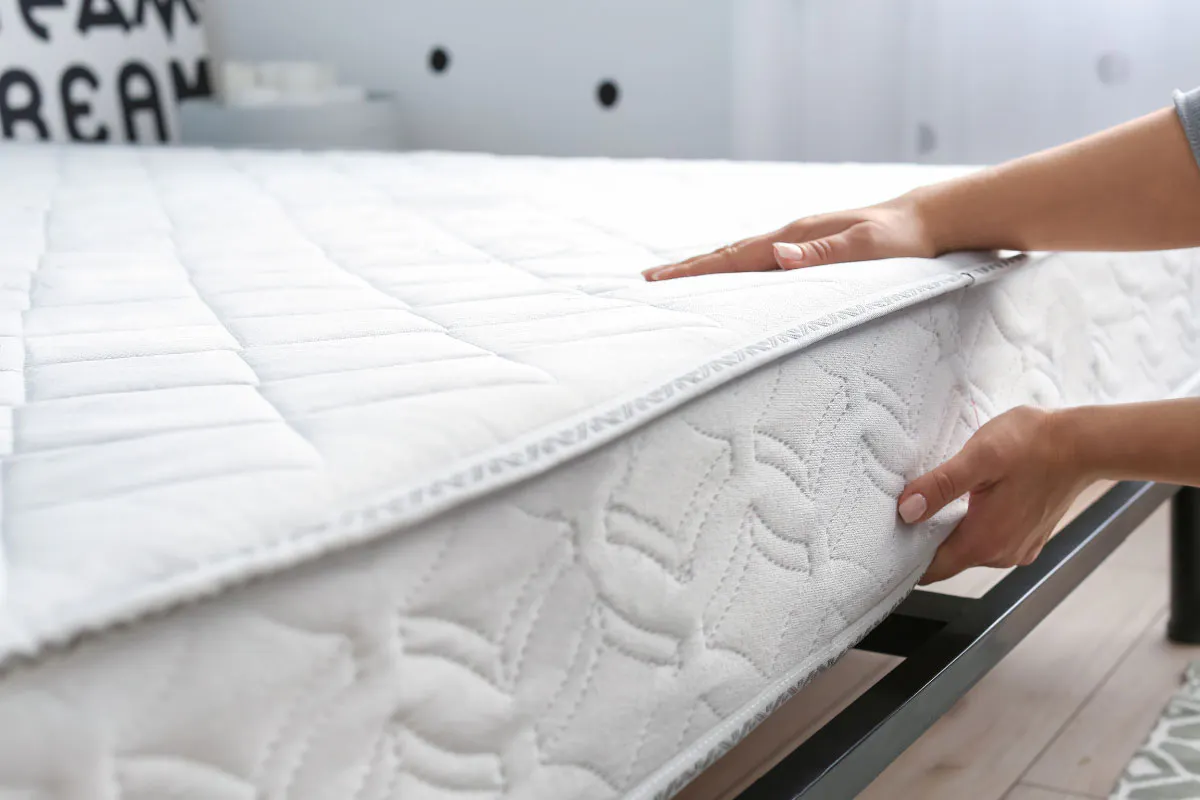
Let’s be real: buying a mattress sounds simple until you’re faced with pocket springs, memory foam, orthopaedic options, single/double/king sizes, and then you start wondering if your mattress choice might affect your mood, your health, and your mornings.
In 2026, we spend more time at home than ever, and a bedroom isn’t just for sleep anymore; it’s for work, reading, lounging, and resetting. And the mattress? It’s the unsung hero beneath it all. It supports everything, literally. Get it right, and your mornings feel better. Get it wrong… well, you’ll know.
So let’s break this down into real, human steps, no jargon-dense “ergonomic zones” lecture, no fluff about “luxury craftsmanship” you can’t test. Just clear, honest advice on finding the mattress that fits you for years to come.
Understand Why the Mattress Matters (More than You Think)
Your mattress isn’t just a slab you fall onto; it’s the foundation of every restful night and refreshed morning. In 2026, when hybrid working, lounging, and daytime naps are part of normal life, the mattress does more than support your spine: it supports your rhythm.
Here’s what your mattress does:
- It helps your body decompress from the day’s tension.
- It affects how you sleep (side, back, stomach, mixed) and how you wake.
- It impacts how your bed partner feels if you share space.
- It interacts with your bed base, your pillows, and your bedding, forming a system.
You’ll find a wide variety of mattress types described (soft/medium/firm; pocket springs; memory foam) and what those mean.
Clarify Your Sleep Style & Body Needs
Before you eyeball labels or go by price, ask yourself:
- How do I sleep? Side, back, front or mix?
- Do I wake with aches or feel restless overnight?
- Am I taller or heavier than average? Does my partner’s movement wake me?
- Do I use my bedroom for more than sleep (reading, screen time, working)?
- How much room do I have? Will a bigger mattress make the space tighter?
Here’s a quick cheat-sheet:
- Side sleepers often benefit from a soft to medium mattress, cushioning around the shoulders/hips.
- Back or front sleepers may need a firmer mattress to keep their spine aligned.
- Heavier sleepers or couples will want high-support systems (like pocket springs or hybrid).
- In 2026, it’s not enough that it “looks comfy”; it must work for your body day in, day out.
Choose the Right Type & Support System
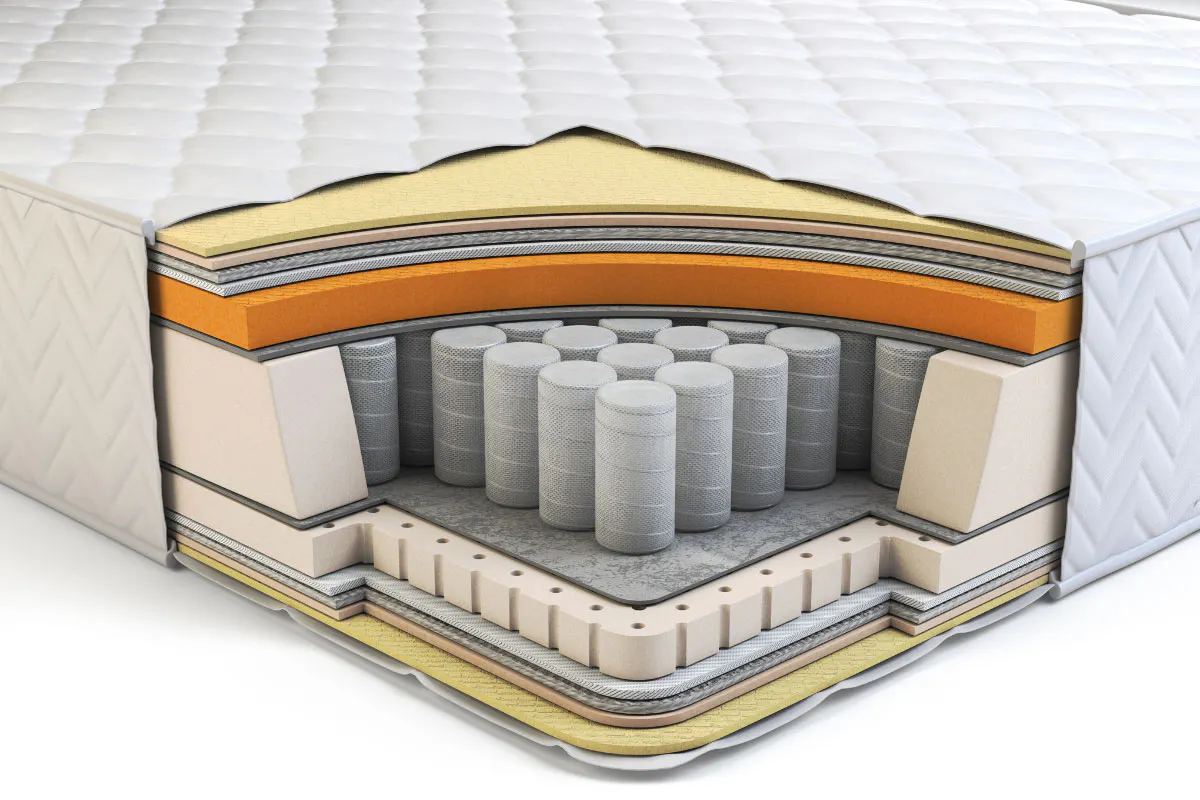
Different mattresses use different technologies. Understanding the basics helps you filter effectively.
Here are common types you’ll see:
- Pocket spring mattresses: Individual springs in fabric pockets; good support, less motion transfer.
Memory foam/latex mattresses: Body-hugging, good for pressure relief (especially side sleepers).
- Hybrid mattresses: A mix of springs + foam/latex, giving the best of both worlds.
- In 2026, hybrids are especially popular: we want comfort and structure.
Size, Room & Bed Base Compatibility

You have to think of your mattress as part of a larger setup. So it goes: mattress + base + bedframe + room. It all must work together.
Room size matters
- If your bedroom is small, a massive super-king mattress might shrink your space and make movement awkward.
- In a master room (bigger space), a king or super-king gives luxurious freedom.
- This year, we’re more forgiving of space if it means comfort, but still smart about layout.
Bed base compatibility
Your mattress needs the right support underneath. Slatted bases, divans, and adjustable frames all impact how the mattress behaves.
So check: frame width, mattress depth, ventilation (especially if your mattress is foam) and whether the mattress manufacturer recommends a specific base.
Firmness, Feel & Layers, What Suit You?

Firmness is probably the most confusing part of mattress shopping, because “firm” means different things to different people.
Here’s how to think about it:
- Soft to medium: Ideal for side sleepers, lighter frames, and someone who wants a “hug”.
- Medium/Medium-firm: Great all-rounders, especially if you switch positions or share a bed.
- Firm / Orthopaedic: Good for heavier builds, back or stomach sleepers, or those with spinal issues.
In 2026, one sweet spot is “medium-firm hybrid”, comfort and structure combined.
Also consider layers: top cushioning, support core, edge support. The more intricate the construction, the more tailored the feel (and usually the higher the price).
Sleep Hygiene, Environment & Habits
Your mattress is only one part of the sleep puzzle. In 2026, we’re more aware of how the environment, habits and mattress choice combine.
- Night-time habits: Screens off, soft lighting, calm pre-bed rituals.
- Room environment: Ventilation, temperature, sound, and cleanliness affect how well your mattress performs.
- Mattress health: Use a mattress protector, rotate the mattress (if recommended), and keep the base clean.
- Compatibility with bedding: Breathable sheets, pillows that match your sleep style, and mattress depth matter.
Though not always spelt out, general buyer guides emphasise that your mattress should be paired with the right base and setting for best results.
Think of it as the difference between “sleeping” and “resting well.”
Budgeting & Cost-Effectiveness

Mattresses range widely in price, from budget to premium. Here’s how to approach the budget:
Prioritise quality where it matters
Support core, good materials, and size; those affect comfort immediately.
Other extras (like smart cooling, advanced layers) add luxury but may be optional.
Think long-term cost
A cheaper mattress that needs replacing in 2–3 years costs more overall than one that lasts a decade.
Timing & offers
As you shop, look for seasonal deals, financing options, and free delivery (which some UK retailers offer). The mattress page shows a broad selection of sizes and support types, hinting at varied price tiers.
In 2026, smart shoppers balance features + durability + cost.
Style & Fit within Your Bedroom
Just because it’s about sleep doesn’t mean style doesn’t matter. Your mattress (and its base) is part of your room’s look.
- Colour and height matter: if your bed is too high, it might dominate the room or make getting harder.
- Coordinating with your frame, headboard, and bedding creates visual harmony.
- For 2026 interiors: mattresses paired with low-profile modern bed frames, or soft upholstery, are trending.
When you browse the mattress collection, size and compatibility are emphasised.
Remember: a mattress should feel like it belongs, not look like an afterthought.
Final Checks Before You Buy
Here’s a checklist for the final decision:
- Measure the room & bed base space.
- Confirm the mattress size fits the bed and base.
- Choose appropriate firmness for your body/sleep style.
- Check mattress type (springs, hybrid, foam) and comfort layer.
- Visualise how it fits your room style and how you feel lying down on it.
- Set a budget range and stick to it, avoid chasing “highest spec” when comfort lies in suitability.
In 2026, more than ever, the right mattress means one that works for you and will support you for years of better sleep and lighter mornings.
Frequently Asked Questions
How often should I replace my mattress?
The question of mattress replacement frequency is a complex one, moving beyond a simple calendar date. While the general industry recommendation is that mattresses last around 8 to 10 years if properly maintained, this is merely a guideline. The true replacement schedule is determined by a combination of material science, personal comfort, and physical health.
The Role of Material and Maintenance
The type of mattress significantly impacts its lifespan:
- Innerspring: Often the least durable, lasting 5-7 years as coils weaken and lose resilience.
- Memory Foam/Polyfoam: Typically 8-10 years. High-density foams (a measure of quality, not firmness) last longer, as they are slower to break down. Low-density foam may show body impressions much sooner.
- Latex (Natural/Synthetic): Often the most durable, potentially lasting 12-15 years, especially natural Talalay or Dunlop latex, which maintains its structure remarkably well.
- Hybrid: Lifespan varies (7-10 years), depending on the quality of the coils and the foam layers used.
Routine maintenance, such as regular rotation (every 3-6 months, unless specified otherwise by the manufacturer), using a protective cover, and ensuring the mattress is on a properly supportive foundation (not a sagging box spring or widely-slatted frame) can push the lifespan toward the higher end of the scale.
Telltale Signs It's Time for a Change
A calendar date is less important than the subtle, daily signals your body gives you. It's definitely time to replace your mattress if you notice any of the following:
- Persistent Discomfort and Pain: You wake up with new or worsening aches, stiffness, or numbness (especially in the lower back, neck, or shoulders) that typically dissipates within a few hours of being awake. Your mattress is no longer offering the required spinal alignment.
- Visible Deterioration: Look for obvious sagging, indentations, or body impressions deeper than 1.5 inches(check your warranty, but deep sagging is a clear sign). Lumps, bumps, or the feeling of "rolling" toward the centre are structural failures.
- Poor Sleep Quality: You constantly toss and turn, can’t get comfortable, or find you sleep better in a hotel bed or on the couch. This is the clearest subjective indicator that the mattress is failing to provide deep, restorative sleep.
- Noise: For innerspring or hybrid models, squeaks and creaks when you move indicate the springs are stressed or the internal structure is compromised.
- Worsening Allergies: Mattresses accumulate dust mites, skin cells, and allergens over time. Even with cleaning, an older mattress can become a breeding ground, triggering allergies or asthma attacks, especially upon waking.
- The Age Factor: If the mattress is past the 8-year mark, even if it feels "okay," its supportive capacity has likely diminished by at least 50%. Proactive replacement is a healthier choice than waiting until you are in pain.
Can I really order a mattress online without lying on it first?
Absolutely. The online mattress industry has revolutionised the shopping experience, addressing the inherent uncertainty of not testing the product first. The success of this model is built upon robust consumer safeguards and detailed, transparent product information.
Leveraging Digital Information for an Educated Guess
To increase the odds of a successful online purchase, you must become adept at translating digital specifications into a comfort profile:
- Focus on Firmness and Density: Firmness is rated on a 1-10 scale (1 being ultra-soft). Most people prefer a Medium-Firm (5-7). Density (for foam) correlates with durability. A 5 lb/ft3 memory foam is high-quality and durable; 3 lb/ft3 is lower quality.
- Identify Your Sleep Position: This is critical. Side Sleepers: Need softer mattresses (4-6) to allow hips and shoulders to sink in for spinal alignment. Look for pressure relief materials like memory foam. Back Sleepers: Need medium-firm (5-7) for support and to maintain the natural curvature of the spine. Stomach Sleepers: Need firmer mattresses (6-8) to prevent the hips from sinking too deeply, which can strain the lower back.
- Utilise Customer Reviews: Search for reviews. Pay attention to reviews from people with a similar body type or sleep position as yours, and focus on comments related to durability and heat retention.
If I sleep with a partner who has different preferences, how do I compromise?
Sleeping with a partner who has vastly different comfort needs, perhaps one is a back-sleeper who needs firm support, and the other is a side-sleeper who needs soft pressure relief, requires a specialised mattress design that minimises motion transfer and offers varied support.
Strategic Mattress Solutions for Couples
The solution lies in designs that isolate movement and customise firmness:
- Hybrid Models with Pocket Springs: Hybrids, which combine a coil system with foam comfort layers, are often excellent for couples. The key is the pocketed coil system, where each spring is individually wrapped in fabric. This design minimises motion transfer, meaning when one partner shifts or gets out of bed, the other is far less likely to feel the movement.
- High-Density, Motion-Isolating Foam: High-quality memory foam and latex are inherently good at absorbing motion. A medium-firm foam mattress often provides an excellent neutral ground, as it offers the supportive lift firm sleepers need while also contouring for the pressure points of side sleepers.
Addressing Size and Sleep Style
Beyond firmness, two factors are critical for couples:
- Size: Always choose the largest size your room and budget allow. A Queen (60 inches wide) is the minimum, but a King (76 inches) or California King (72 inches, but longer) provides crucial personal space. If both partners toss and turn, the extra space is essential for uninterrupted sleep.
- Edge Support: Good edge support is vital, especially in foam mattresses. It prevents the edges from collapsing when you sit on them, and more importantly, it ensures you can utilise the entire surface area of the mattress, preventing that "rolling off" feeling near the perimeter.
Are expensive “luxury” mattresses always better?
The assumption that higher cost equals superior sleep is a common retail misconception. While there is a baseline cost associated with high-quality materials, the jump from a mid-range, excellent mattress to a true luxury model often introduces diminishing returns on sleep quality.
The Components of Luxury Pricing
A higher price tag on a luxury mattress is often driven by factors that don't directly correlate with foundational support or spinal alignment:
- Material Aesthetics: Fancy upholstery, cashmere or silk blends in the cover, tufting, and handcrafted side stitching contribute significantly to the cost but offer negligible difference in support.
- Brand Exclusivity and Overhead: High-end boutique brands and mattresses sold in low-volume, high-overhead showrooms will naturally cost more due to marketing and retail expenses.
- Non-Essential Features: The integration of cooling gels, phase-change materials, or extra-thick layers of low-density padding can drive up the price. While cooling features are beneficial for hot sleepers, they are not a substitute for proper support.
The True Measure of Mattress Value
The value of a mattress is measured by its three core pillars, irrespective of price:
- Support: Does the mattress maintain your spine in a neutral, straight line when you lie down? The foundational layer, the coils or the dense foam base, is responsible for this. A $1000 mattress with high-quality coils can offer better support than a $5000 mattress with cheap coils covered by $4000 worth of luxury foam.
- Fit (Comfort Layer): Does the top layer relieve pressure points (shoulders, hips)? This is highly personal. If a well-matched medium-firm mattress perfectly contours to your body and keeps your spine aligned, it is superior to a luxury bed that causes a misalignment.
- Durability: High cost often should indicate durability (high-density foam, quality steel in the coils, natural latex), but it's not guaranteed. Always check the density of the materials and the length and terms of the warranty (a 10-year non-prorated warranty is a good indicator of expected longevity).
In conclusion, focus on materials, construction, and personal fit, not just the price tag, to find your best night's sleep.