
How to Choose the Right Wardrobe for Your Bedroom Size
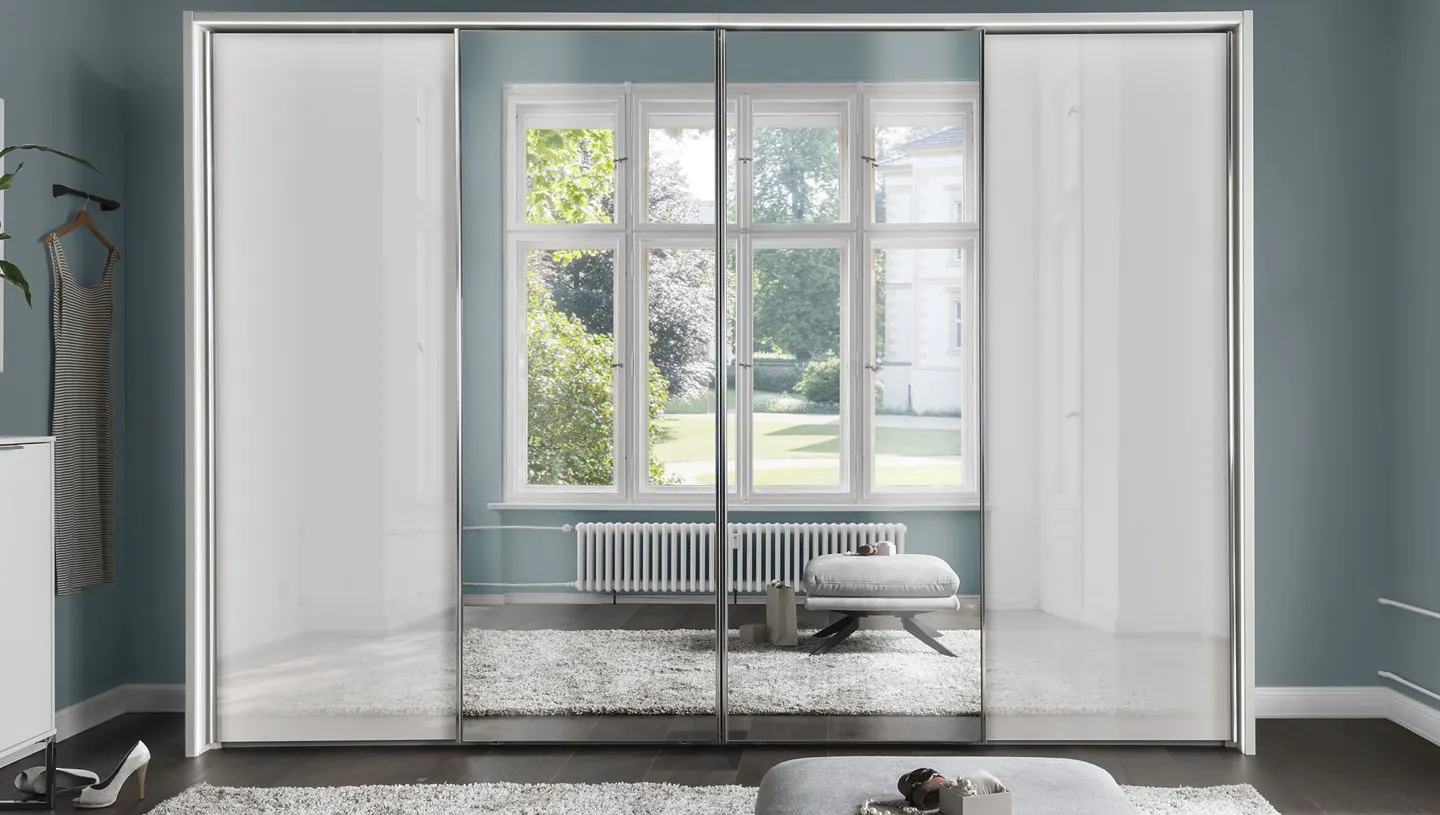
Let’s be honest: choosing the right wardrobe sounds simple until you’re knee deep in Pinterest boards, trying to decide between “oak finish” and “walnut gloss” while wondering if sliding doors will make your room bigger (spoiler: they might).
Your wardrobe isn’t just a piece of furniture. It’s the quiet, dependable partner that keeps your life organised, the unsung hero of every stress-free morning. It hides the chaos, stores your style, and, when chosen right, completely transforms your bedroom.
But with so many options in 2025 — mirrored, sliding, fitted, double, triple, hinged — it’s easy to end up more confused than inspired. That’s why we have broken it down into real human steps, no jargon, no “luxury craftsmanship” fluff. Just honest advice and a few beautiful designer wardrobes you would actually want to take home.
Know Your Space Before You Fall In Love With The Wrong Wardrobe
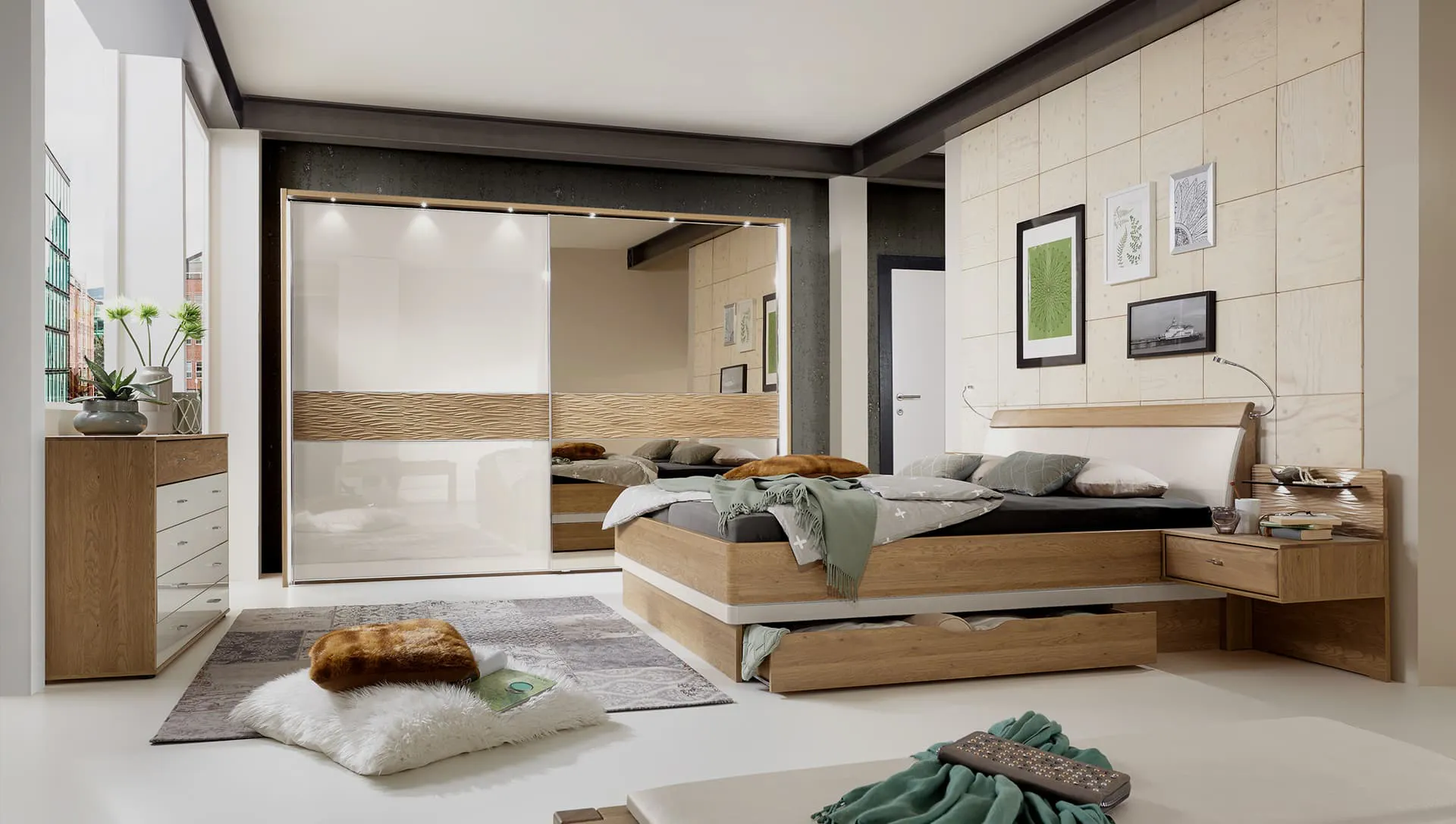
First things first, your wardrobe needs to fit your bedroom. Not just physically, but visually too.
Before you get attracted to that 300 cm mirrored beauty, measure your space properly. Take note of ceiling height, skirting boards, door swings, and even plug points because there’s always that one plug where you want your wardrobe to go.
If you have a compact bedroom, go for sliding wardrobes that make the space feel open. Sliding door wardrobes are perfect for this; they don’t need room to swing out and look effortlessly sleek — exactly what modern 2025 bedroom layouts demand.
Check out the Stylform Florida Wardrobe. It’s designed for smaller bedrooms but still gives you generous storage. The mirrored finish also reflects light, making the room appear more spacious.
If you’ve got a larger bedroom, play with symmetry and proportion. A wide, double or triple wardrobe can actually balance a big room instead of cluttering it.
And for those awkward corners or sloped ceilings? Don’t shy away from custom options. A fitted wardrobe can turn that useless nook into a prime storage corner.
Pro tip: Tape the area where your wardrobe will go using masking tape on the floor and wall. Stand back, look at it from different angles, and see if it feels right before you buy.
Choose The Wardrobe Type That Fits Your Life
There’s no “one style fits all” when it comes to wardrobes. The right one depends on how you live, how you dress, and how much stuff you secretly hoard.
Sliding Door Wardrobes
These are the ultimate space savers. They glide open effortlessly and look sleek in modern settings.
Take a peek at the ARIZONA Wardrobe, a gorgeous sliding mirrored wardrobe that instantly modernises any room. It’s perfect if you want something that looks high-end without eating up space.
Sliding wardrobes also help visually tidy up the room since no door gaps or handles interrupt the flow — ideal for minimalist bedrooms and 2025 design trends.
Hinged Door Wardrobes
Classic and timeless. Hinged wardrobes give full visibility to all your clothes at once (no sliding back and forth). Perfect if you’re a “lay it all out” dresser.
They also allow extra storage on the inside of the door, like hooks or organisers for belts and scarves.
Mirrored Wardrobes
If you want a wardrobe that doubles up as your full-length mirror (and morning cheerleader), mirrored wardrobes are a dream. They reflect natural light beautifully and add depth to any room.
Try the Stylform Althea Wardrobe, a sleek, mirror-finished design that’s both elegant and practical. It brings that airy, hotel-suite feel right into your bedroom.
Step 3: Match Your Style (Because Function Should Also Look Good)
Your wardrobe isn’t just a storage unit; it’s a design statement. It sets the tone for your bedroom — think of it as the backdrop for your everyday life.
If your space leans modern and minimal, go for clean lines, glossy finishes, and sliding doors. A white or light grey wardrobe keeps things feeling airy and sophisticated.
Love that cosy, Scandinavian vibe? Choose wardrobes in matte wood tones — oak or ash finishes that bring warmth without overpowering the space.
If you’re more into bold statements, darker shades like graphite or black glass can look stunning. Pair them with soft lighting to avoid making the room feel heavy.
Pro tip: Don’t be afraid to mix textures. A mirrored panel paired with a matte wood finish can add depth and personality without looking mismatched.
And remember, your wardrobe doesn’t have to match every single piece of furniture. Sometimes contrast looks far more interesting — a dark wardrobe can beautifully offset light walls and bedding.
When in doubt, ask yourself:
→ Do I want my wardrobe to blend in or stand out? That answer will tell you everything about your ideal design direction.
Step 4: Storage that Actually Works for You
This is where practicality meets sanity. Because no one likes rummaging through a pile of clothes five minutes before work.
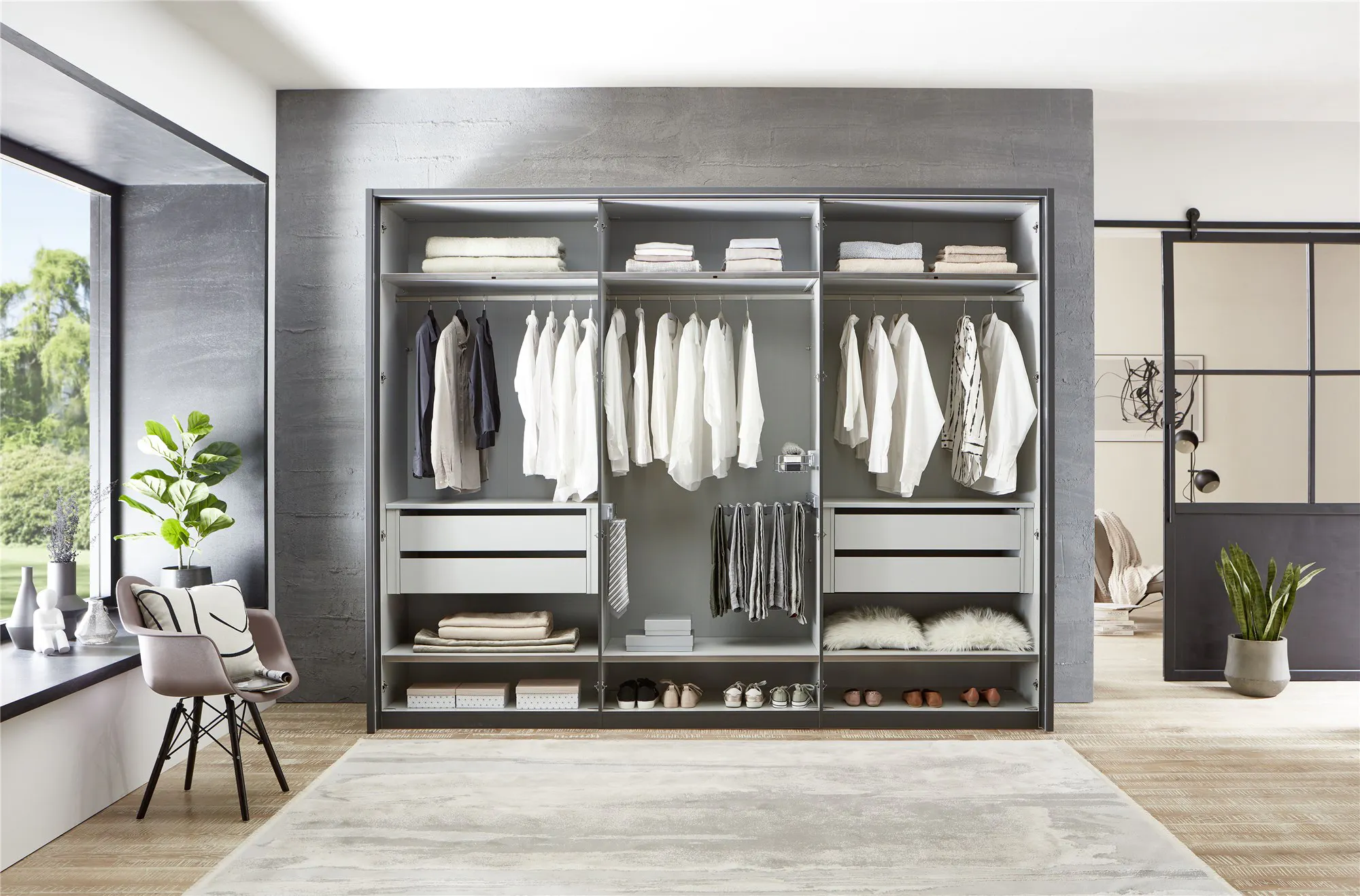
Think about your wardrobe as a mini system: hanging space, drawers, shelves, and hidden storage.
- For clothes hoarders: Go for a wardrobe with a mix of long-hang and double-hang sections.
- For accessories lovers: Look for built-in drawers or shelves for handbags, jewellery, and shoes.
- For minimalists: Keep it simple — just make sure it’s well-lit and easy to maintain.
If you share your wardrobe, divide it thoughtfully, either side-by-side or top-and-bottom. Sliding door wardrobes make this division feel natural and balanced.
You can also invest in a soft LED strip inside that can make your morning routine feel a little more cinematic.
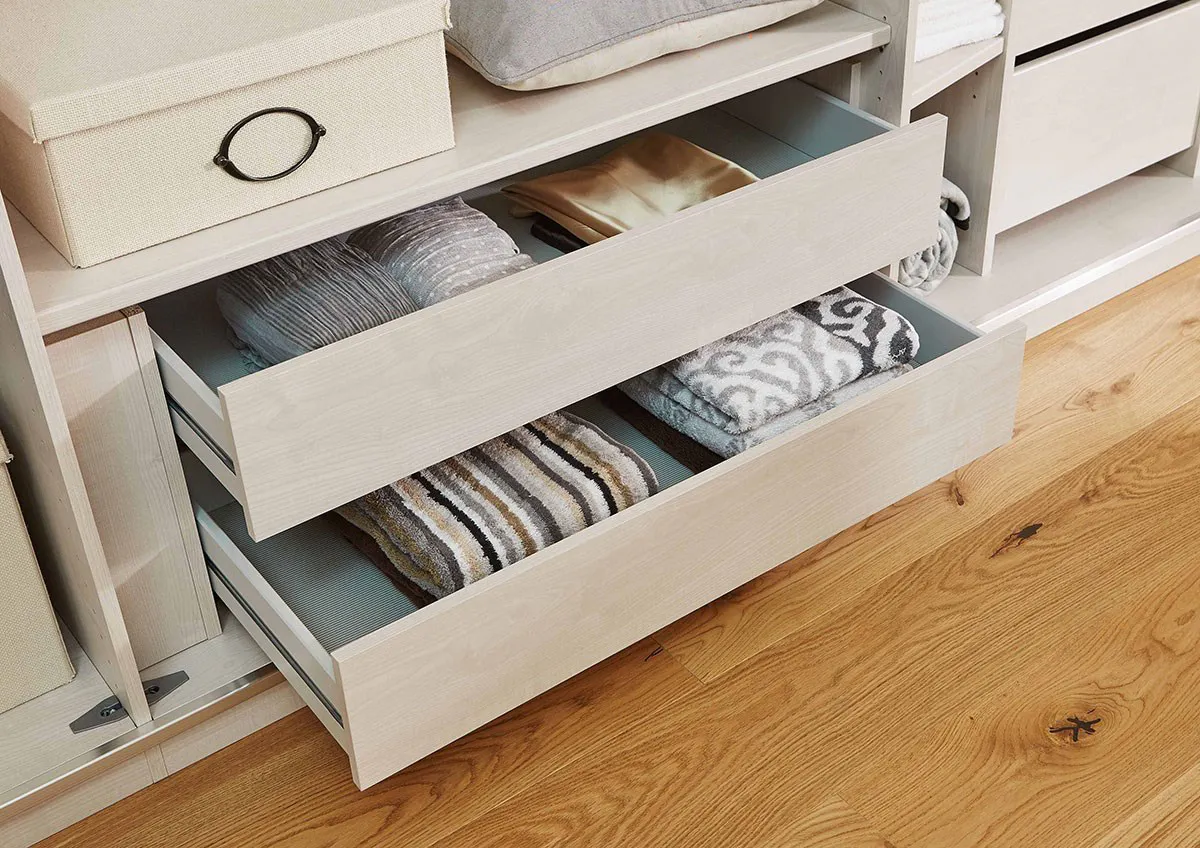
A good wardrobe doesn’t just hold your clothes; it simplifies your day.
Step 5: Think Long-Term (Because You’re Not Replacing It Next Year)
Durability should be the top priority. Look for wardrobes made from sturdy materials like MDF with a quality finish, smooth door tracks, and solid fittings.
Cheaper options might tempt you, but consider the long game. A wardrobe is a one-time investment that affects your everyday life. It’s better to buy one that stays beautiful and functional for years rather than something you’ll replace in two.
That’s why we love brands like Stylform — known for their solid build, soft-close doors, and designs that don’t go out of style.
Step 6: Make It Yours
This is the fun part — personalising your wardrobe.
Add baskets, drawer inserts, LED lighting, or even a little scent sachet (yes, it makes opening the wardrobe feel fancy).
You can also play with external décor — a statement mirror beside it, a potted plant nearby, or artwork above. These small touches make your wardrobe feel intentional, not just functional.
And don’t forget the inside — neatly arranged hangers, colour-coordinated clothes, even labelled boxes if that’s your vibe. You’ll be surprised how much joy a well-organised space can bring.
Step 7: The Emotional Test — Do You Love It?
Here’s something people rarely talk about: your wardrobe should make you feel good.
If every time you walk into your room and look at it, you smile a little, that’s how you know you’ve made the right choice.
It’s not about having the biggest or flashiest wardrobe. It’s about one that quietly fits your rhythm, your space, and your personality.
Final Thoughts
Choosing the right wardrobe in 2025 isn’t just about storage. It’s about style, comfort, and functionality living in harmony.
It’s about creating a bedroom that feels uncluttered, calm, and unmistakably you.
So whether you’re drawn to the reflective charm of mirrored wardrobes, the compact practicality of sliding wardrobes, or the timeless elegance of hinged wardrobes — you’ll find one that suits your life and looks stunning while doing it.
FAQs
Can a sliding-door wardrobe really make a small room feel more spacious?
Absolutely. Sliding-door wardrobes don’t swing out, so they save a surprising amount of floor space, especially in narrow bedrooms or apartments. Their sleek, linear design draws the eye horizontally, giving a room a more streamlined, expansive feel. Add mirrored panels and you’ll instantly create the illusion of depth and brightness.
Are hinged wardrobes outdated compared to modern sliding designs?
Not at all. Hinged wardrobes have simply evolved, with soft-close mechanisms, minimalist handles, and matte finishes that look just as contemporary as sliding doors. They also let you open multiple sections at once, which is incredibly practical if you like having everything visible while styling an outfit.
What are the main differences in maintenance between the two?
Sliding wardrobes require a little track care, occasional vacuuming or wiping to keep the rails dust-free, ensuring smooth gliding. Hinged wardrobes, on the other hand, need a quick hinge check once in a while to keep the doors perfectly aligned. Both are easy to maintain with gentle cleaning; it’s more about regularity than effort.
Which wardrobe type offers better internal organisation?
Both can be customised beautifully, but hinged wardrobes have a slight edge if you want complete access to every corner. You can open both doors wide and see your entire layout. Sliding wardrobes, however, are ideal for a zoned setup — one side for everyday wear, the other for occasion pieces, accessories, or linens.